CU 0001–COMMERCIAL
EXCESS/UMBRELLA LIABILITY COVERAGE ANALYSIS
(October
2025)
|
Commercial
Excess/Umbrella Liability Coverages What
Must Be Done in Case of Loss |
INTRODUCTION
The previous edition of this
policy was the only American Association of Insurance Services (AAIS)
excess/umbrella product prior to the introduction of CU 0002 – Commercial
Umbrella Liability Coverage. CU 0002 is now regarded as the basic, primary
policy. CU 0001 is used when excess liability considerations need to be
addressed.
Related Article: CU 0002–Commercial
Umbrella Liability Coverage Analysis
CU 0001 succeeds UM 0200 and has
a 09 10 edition date. It primarily acts as an excess liability policy with an
added umbrella component. The excess coverage is provided by Coverage E, while
Coverage U represents the umbrella coverage applied over the self-insured
retention.
TABLE OF CONTENTS
This section describes the
policy’s structure and offers guidance on finding a specific section quickly.
This analysis presents these main sections in the order they appear in the
policy.
This section also states that a
state-specific endorsement is attached to the policy, and any other applicable
endorsements or schedules are listed on the declarations. It further explains
that words or phrases with special meanings are enclosed in quotation marks and
detailed in the Definitions section of the policy.
AGREEMENT
The
insurance company agrees to provide the coverages described in the policy,
subject to all its terms and conditions. This is in consideration of the named
insured paying the required premium.
DEFINITIONS
Defined
words are used throughout the policy. Limiting these terms to the definitions
in the policy helps ensure all parties have a clear understanding of the
coverage intended.
1. You and Your
This
refers to the person, persons, entity, or organization listed as the insured on
the declarations. All cancellation, renewal, nonrenewal, and premium terms
apply only to these entities.
You
and your also means newly acquired or formed organizations owned or over which
a majority interest is held.
You
and your do not include any of the following newly acquired or formed
organizations or situations:
- Newly acquired or formed limited liability
companies, joint ventures, or partnerships.
- Where similar insurance is available.
- More than 90 days after the organization is
acquired or formed, or after the policy period ends, whichever comes
first.
- Those situations involving bodily injury or
property damage occurring before the organization was acquired or formed.
- Those situations involving personal injury and
advertising injury arising from an offense committed before the
organization was acquired or formed.
2. We, Us and Our
This
is the insurance company providing this coverage.
3. Advertisement
This
is an announcement or public notice. The meaning extends to (but is not limited
to) those on the Internet or in electronic communications promoting the named
insured's products, goods, or services for the following:
- To offer for rent, lease, sale, or other use
to potential customers, clients, purchasers, or patrons.
- To encourage potential supporters and
facilitate their consideration.
The
same criteria apply to website advertisements, but only for the section of the
website that features the named insured's products, goods, or services.
4. Auto
This
is a land motor vehicle, trailer, or semi-trailer designed to operate on public
roads. It includes any machinery and equipment attached to the vehicle. It also
includes any other land vehicle subject to compulsory motor vehicle insurance
laws or financial responsibility laws in the state where it is licensed or
primarily garaged. However, it does not include mobile equipment.
5. Bodily Injury
This is
bodily harm, sickness, or disease a person sustains, as well as resulting death.
However, it does not include mental or emotional injury, suffering, or distress
not directly related to the physical injury.
NOTE: Death
does not have to occur during the policy period. However, it must directly
result from an injury sustained during the policy period.
6. Claims-Made
These
are liability claim provisions applying to injury or damage claims meeting the
following two requirements:
- The
claim must be filed against an insured either during the policy period or
within an extended reporting period.
- The
injury or damage must occur on or after the retroactive date specified on
the declarations for the claims-made policy and before the policy expires.
7. Coverage Territory
This definition has two
categories:
- Under
Coverage E–Excess Liability, follows the underlying coverage territory.
- Under
Coverage U–Umbrella Liability, it applies worldwide. However, it does not
include any nation, foreign country, or jurisdiction subject to the trade
or economic sanctions or embargoes of the United States of America.
8. Covered Contract
There are six types of covered
contracts:
- Leases
of premises
- Easement
or license agreements
Agreements related to
construction or demolition work within 50 feet of a railroad are excluded.
- Requirements
for indemnifying a municipality as outlined in ordinances. Work performed
for the municipality is excluded.
- Sidetrack
agreements
- Elevator
maintenance agreements
- Any
part of any other contract or agreement related to the following:
o
The named
insured assumes the tort liability of another party to pay for bodily injury or
property damage to a third party.
§ This applies only if the contract
relates to the conduct of the named insured’s business.
§ Includes contracts indemnifying a
municipality for work performed for that municipality.
Tort liability is a type of
liability established by law, regardless of whether a contract or agreement is involved.
The following are not included in
the definition of a covered contract. If a covered contract contains any of
these agreements, they will not be considered covered, even if other parts of
the contract remain covered:
- An
agreement indemnifying a railroad from liability for bodily injury or
property damage caused by construction or demolition operations within 50
feet of any railroad property, when such activities impact a railroad
bridge, trestle, track, roadbed, tunnel, underpass, or crossing.
- An
agreement indemnifying any party for fire damage to premises rented or
borrowed by the named insured.
- An
agreement indemnifying architects, engineers, or surveyors against injury
or damage caused by any of the following circumstances:
- Maps,
drawings, opinions, reports, surveys, change orders, designs, or
specifications they create or approve (or neglect to create or approve).
- Directions
or instructions provided, or that should have been provided, when the
principal cause of injury or damage involves the providing or failing to
provide them.
- An
agreement in which the insured takes responsibility for any injury or
damage arising out of providing or failing to provide professional
services. This includes supervisory, inspection, or engineering services.
This limitation applies only if the insured is an architect, engineer, or
surveyor.
9. Damages
This
is financial compensation given to a party that alleges injury.
10. Data Records
These
are electronic files, documents, and data stored on computers, networks, or
other software used with electronically controlled devices.
11. Declarations
These
are also referred to as declarations, supplemental declarations, and schedules
related to this policy.
12. Designated Insured
This term has many meanings:
- If
individual is checked on the declarations, the named insured and their
spouse are designated as insureds. However, this only applies if they are
engaged in the business owned exclusively by the named insured.
- If
partnership or joint venture is checked on the declarations, the named
insured, along with its partners, members, and their spouses, are
considered insureds. However, this applies only when they are engaged in
the business of the named insured.
- If
limited liability company is checked on the declarations, the named
insured and its members are designated insureds. However, this applies
only when they are conducting the named insured’s business. The managers
of the named insured are also designated insureds, but only if they act
within their managerial responsibilities.
- If trust is checked on the declarations, the
named insured and its trustees are considered insureds. The trustees are
designated insureds only while carrying out their trustee duties.
- If the
named insured checked on the declarations is an organization other than
those listed above, the named insured and its executive officers and
directors are designated insureds. The executive officers and directors
are considered designated insureds only when they are acting within the
scope of their duties. This does not include partnerships, joint ventures,
or limited liability companies.
The named insured's stockholders
are also designated insureds, but only with respect to their liability as
stockholders.
- Employees
authorized to give or receive notices of claims or occurrences.
13. Employee
This term includes leased workers
but excludes temporary workers.
14. Executive Officer
This includes anyone holding an
officer position as defined by the named insured in its charter, bylaws,
constitution, or other governing documents.
15. Impaired Property
This refers to tangible property
that has become either useless or less useful for one of two reasons.
·
This might
be due to the property containing products or work of the named insured that
are either hazardous or simply defective.
·
It might
also be because the named insured did not fulfill its contractual obligations.
Impaired property excludes the
products or work of the named insured. It is considered impaired only if the
named insured can restore it to usefulness through actions such as repairing,
replacing, removing, or fulfilling contractual obligations.
16. Indemnitee
This is any party for whom an
insured, under a covered contract, has assumed liability for damages related to
bodily injury or property damage.
17. Insured
This term has several meanings,
including the following:
Under Coverage E–Excess Liability:
Insured means the named insured
and any insured or additional insured person or organization named on the
underlying policies. Their insured status under this policy is limited to the
coverage provided by the underlying insurance.
Under Coverage U–Umbrella
Liability, insured means the following:
·
INDIVIDUAL
The named insured and their
spouse. However, this only applies if they are engaged in the business owned
exclusively by the named insured.
·
PARTNERSHIP
OR JOINT VENTURE
The named insured,
its partners or members, and their spouses. They are considered such only when
conducting the named insured’s business.
·
LIMITED
LIABILITY COMPANY
The named insured and its
members. However, this applies only when they are conducting the named
insured’s business. The managers of the named insured are also insureds, but
only if they act within their managerial responsibilities.
·
TRUST
The
named insured and its trustees, but only when they work within the scope of
their duties.
NOTE: CU 0051–Commercial
Excess/Umbrella Liability Declarations does not have a space for or list
trusts. “Other” will need to be selected, and Trust described.
·
OTHER
If the named insured is an
organization other than those listed above, the named insured and its executive
officers and directors are insureds. The executive officers and directors are
considered insureds only when they are acting within the scope of their duties.
The named insured's stockholders
are also insureds, but only regarding their liability as stockholders.
This does not include
partnerships, joint ventures, or limited liability companies.
Coverage U–Umbrella Liability
also includes the following as insureds:
- The real estate manager for the named insured,
who is neither an employee nor a volunteer, can be an individual or an
organization.
- A deceased named insured’s legal
representative, but only for acts within such duties. Anyone who has
custody of the deceased’s property is also considered an insured for
liabilities related to maintaining or using that property.
However,
the above terminates once a legal representative is appointed. The legal
representative then assumes all rights and responsibilities of the named
insured.
- The named insured's employees, but limited to
actions while in the course of their employment.
- Volunteers are considered insureds only when
they are performing duties associated with the operations of the named
insured’s business.
- However, this does not include managers of
limited liability companies or executive officers of organizations other
than limited liability companies, partnerships, or joint ventures.
Employees
and volunteer workers are not considered insureds for bodily injury or personal
and advertising injury under any of the following situations:
o
The injury is to the named insured, its partners, or members.
o
The injury is to a fellow employee while that fellow employee is working
or performing duties for the named insured.
o
The injury involves a volunteer worker performing duties related to the
conduct of the named insured’s business.
o
The injury is to designated relatives of an injured fellow employee or
volunteer worker, as described above.
o
When there is a duty to partially or fully compensate third parties for
damages arising from the injuries described above.
o
Employees and volunteer workers are not insureds for property damage to
any property owned, used, rented, loaned, or under their care by the named
insured, its partners, members, or employees.
If a
partnership, joint venture, or limited liability company (current or past) is
not listed on the declarations, no party is considered an insured under this
policy regarding its conduct.
NOTE: This clarifies insured status is only granted to
parties connected to the entities named on the declarations.
18. Leased Worker
This
is a person the named insured leases from a labor leasing company, who is bound
by a contract or agreement to perform duties related to the operation of the
named insured’s business. However, a temporary worker is not considered a
leased worker.
NOTE: An
agreement between the named insured and the leasing company is necessary for
the individual to be recognized as a leased worker.
19. Limit
This
represents the limit applicable to the coverage provided.
20. Loading or Unloading
This
is movement of property, starting when it is taken from the acceptance point
onto a vehicle for transit. The vehicle may be a car, airplane, or boat. The
movement continues while the property is on or in the vehicle and ends when it
is unloaded at the destination. The definition also includes moving the
property with a hand truck or any mechanical device attached to the
transportation vehicle.
21. Mobile Equipment
This is land motor vehicles,
along with their attached machinery and equipment, that are or perform one or
more of the following functions:
- Used
exclusively on the premises owned or rented by the named insured,
including any adjoining ways.
- Designed
primarily for use off public roads.
- Travel
using crawler treads.
- Self-propelled
and designed or used to move any of the following equipment that is either
a part of it or is permanently attached to it:
o
Power
cranes, shovels, loaders, diggers, and drills
o
Graders,
scrapers, rollers, and other road construction or repair equipment
- Equipment
not described above and not self-propelled, it must be primarily used to
supply mobility to any of the following permanently attached devices:
o
Air
compressors, pumps, generators, spraying, welding, and building cleaning
equipment.
o
Equipment
used for geophysical exploration or lighting, and equipment used to service
wells.
o
Equipment
that raises or lowers workers, such as cherry pickers.
- Equipment
not described in the first four points above, but subject to the condition
that they are not used to transport cargo or people.
Mobile equipment does not include
self-propelled vehicles with any of the following equipment permanently
attached:
NOTE: This is because they are
considered autos.
- Snow
removal, street cleaning, road maintenance, or resurfacing equipment.
- Cherry
pickers and other equipment mounted on a vehicle chassis used to raise or
lower workers.
- Air
compressors, pumps, generators, spraying, welding, and equipment used to
clean buildings.
- Equipment
used for geophysical exploration or lighting, and equipment used to
service wells.
- Land
vehicles subject to compulsory or financial responsibility laws or other
motor vehicle insurance laws in the state where they are licensed or
principally garaged.
22. Occurrence
This
is an accident and may involve repeated exposure to the same or similar
conditions.
23. Personal and Advertising Injury
This
is an injury caused by, resulting or arising from one or more of the following
offenses:
- Spoken, written, or electronic publication of
material defaming a person or organization, diminishes the value of their
goods, products, or services, or violates their privacy rights.
- Falsely detaining, taking into custody, or
imprisoning an individual.
- Malicious criminal proceedings.
- The named insured using stolen advertising
ideas for its marketing.
- The named insured violating someone else's
trade dress, slogan, or copyright in their advertisement.
- Offenses committed by or on behalf of the
owner, landlord, or lessor of a room, dwelling, or premises, including
wrongful entry, wrongful eviction, or invasion of the right to private
occupancy of a person occupying the property.
The definition of personal and advertising injury
includes any resulting consequential bodily injury.
24. Pollutant
This is any solid, liquid,
gaseous, thermal, or radioactive irritant or contaminant. It includes acids,
alkalis, chemicals, fumes, soot, vapor, and waste. Waste includes items that
need disposal, recycling, reclaiming, or reconditioning. It also includes
visible or invisible electromagnetic, magnetic, or electrical fields and
particles, as well as sound emissions.
25. Products
These include products or goods
the named insured manufactures, handles, sells, disposes of, or distributes.
Products are also items produced, handled, sold, disposed of, or distributed by
others but traded under the insured's name, or those belonging to a party whose
assets the insured has acquired.
Products also include the
following:
- Any
representations or warranties at any time concerning the products
features, including quality, fitness, durability, use, or performance.
- Other
parts, materials, equipment, or containers used with such products; a
vehicle does not qualify as a container.
- Providing
or failing to provide instructions and warnings
The following are not products:
- Real
property
- Vending
machines or other property the named insured does not sell but instead
rents to or places for others to use.
26. Products/Completed Work Hazard
The
product's hazard refers to bodily injury or property damage that occurs away
from locations owned or rented by the named insured, arising from products the
named insured has physically relinquished or handed over to others.
The
completed work hazard refers to bodily injury or property damage that occurs
away from locations owned or rented by the named insured, arising from the work
performed by the insured. It does not include work the named insured abandoned
or did not finish.
Work
is considered completed on the earliest of the following dates:
- When the insured has fulfilled all obligations
specified in a contract.
- When the insured has completed all contractual
obligations at all job sites, when the contract involves work at multiple
sites.
- When the insured’s work has been put to its
intended use. However, this does not include being put to use by another
contractor or subcontractor working on the same job site.
Work otherwise
complete, except for requiring service, maintenance, correction, repair, or
replacement because of a defect or deficiency, is considered complete.
However,
the products hazard and the completed work hazard exclude bodily injury or
property damage arising from any of the following:
- Property in transit, unless the injury or
damage was caused by a defect in a non-owned vehicle, and that defect
resulted from the insured’s loading or unloading.
- Tools, uninstalled equipment, or materials
that are abandoned or not in use but still present.
- Any products or work classification that
references the phrase "including products/completed work" on the
declarations of the underlying insurance.
27. Property Damage
This
refers to physical damage or destruction of tangible property. It includes the
loss of use of that property. The physical damage and the resulting loss of use
are considered to occur at the same time.
Loss
of use of tangible property not physically damaged or destroyed still qualifies
as property damage. The loss is considered to have occurred at the same time as
the event that caused it.
Tangible
property does not include data records except for those related to auto
coverage provided by Coverage E.
Under
Coverage E–Excess Liability, when owning, maintaining, or using covered autos,
property damage also includes any loss, expense, or cost related to actions
involving response to or assessment of the effects of pollution.
28. Recreational Vehicle
This is a land motor vehicle
designed for recreational use off public roads. It includes, but is not limited
to, golf carts and snowmobiles.
29. Self-insured Retention
This is the amount shown on the
declarations the insured must pay before this coverage takes effect.
30. Silica
This is also known as silicon
dioxide. It includes various forms of silica, such as silica sand, silica mixed
with other compounds, and silica dust combined with other dust particles.
31. Suit
This includes any civil legal
action in a court or administrative proceeding seeking damages covered by this
insurance. It also includes arbitration or alternative dispute resolution
processes involving damages any insured must participate in or agrees to with
the insurance company's approval. Consent can be granted by either the
underlying insurance provider or the insurer issuing this policy.
32. Temporary Worker
This worker is provided for the named insured and may serve as a
substitute for a full-time employee on leave or be hired to handle a short-term
increase in workload.
33. Terms
These
include all definitions, limitations, conditions, provisions, and exclusions
related to this coverage.
34. Underlying Insurance
This is the liability insurance
coverage listed on the schedule of underlying insurance. It should appear on
the declarations page, showing the limits and policy period. As well, it
includes policies issued to replace those during this insurance's policy
period. The replacement policies must provide the same or higher limits and
cover the same hazards, unless modified by standard revisions or as specified
in this insurance company's written agreement.
35. Underlying Insurer
This refers to any insurance
company providing an underlying insurance policy, which constitutes the first
layer of insurance protection. The Umbrella or Excess policy is regarded as the
second layer of protection.
36. Volunteer Worker
This is not an employee. It
refers to someone who donates time or services and meets at least one of the
following conditions:
- Acts within the scope of
duties as determined and directed by the named insured.
- Does not receive any
compensation other than reimbursement for specific out-of-pocket expenses.
Volunteer workers are neither
temporary nor leased workers.
37. Your Work
This refers to work or operations
conducted by the named insured or others on its behalf. It also covers any
equipment, material, or parts supplied specifically for this work.
It
also includes written warranties or representations regarding the quality,
fitness, durability, or performance of the work or operation. Additionally, it
includes providing warnings or instructions, or failing to do so.
COMMERCIAL EXCESS/UMBRELLA LIABILITY COVERAGES
COVERAGE E–EXCESS LIABILITY
1. Insuring Agreement
a.
The
insurance company makes payments on behalf of the insured only when the amount
of loss exceeds the limits of the underlying insurance. The obligation to pay
arises from damages resulting from bodily injury or property damage covered
under this Insuring Agreement.
There are a few nuances to this
agreement:
·
Even if the
insurance company has no duty to defend, it still has the right to participate
in suits with the underlying insurer when this insurance might apply.
·
The insurer
has no obligation to defend the insured when the policy excludes the cause of
loss.
·
If the
insurance company is obligated to defend, they have the right to investigate
any incident or offense related to this coverage and may settle the resulting
claim or lawsuit at their discretion.
b.
The
amount the insurance company pays is outlined in the How Much We Pay section of
the policy. Payment obligations start only after the underlying limits are
exhausted. These underlying limits can also be reduced by defense costs, but
only if the underlying insurance covers defense costs within the coverage
limits.
c.
The
insurance company is not required to defend the insured once it has paid
amounts equal to the policy limit. This payment can come from written
settlements, judgments, or defense costs that reduce the underlying insurance
limit. Aside from the provisions in Supplemental Payments, the insurer is not
obligated to provide support, assistance, or cover any additional costs once
limits are exhausted.
d.
Coverage
applies only to the following:
·
Bodily Injury
or Property Damage and Personal and Advertising Injury meeting all of the
following requirements:
o
Caused by or
arises from an event during the policy period of this insurance.
o
Occurs or
arises from an event within the coverage territory.
o
An event covered
by underlying insurance or would have been covered if its limits had not been
exhausted by paying claims, defense costs, judgments, and/or settlements.
·
Any other injuries
or damages from the following:
o
Arises from
an error, omission, negligent act, incident, injury, event, or offense.
o
An event
covered by underlying insurance or would have been covered if its limits had
not been exhausted by paying claims, defense costs, judgments, and/or
settlements.
and subject to the following:
o
When the
underlying coverage applies on an occurrence basis:
§ The error, omission, negligent
act, incident, injury, event, or offense must occur within this insurance’s
policy period and coverage territory.
o
When the
underlying coverage applies on a claims-made basis:
§ The error, omission, negligent
act, incident, injury, event, or offense must occur on or after the retroactive
date (if any) shown on the declarations and before the policy expires, and within
the coverage territory.
o
If the
underlying coverage is written on a claims-made basis:
§ A claim must be first filed
against an insured during this policy period or any extended reporting period.
A claim is considered made when one of the following events takes place:
-
The insured
or an underlying carrier receives notice of a claim and records it. Also, when
the insurance company receives and records the notice, provided the underlying
company’s limits have been exhausted.
-
Any insured
receives notice of the claim and notifies the insurance company in writing.
This is in cases where the underlying coverage is written on any other
claims-made basis.
§ All claims for damages against
the same party are considered as if they were filed at the same time as the
initial claim made against any insured, regardless of how many claims are
submitted.
e.
Extended Reporting Periods
- Coverage
E–Excess Liability provides the same extended reporting period as the
underlying insurance when written on a claims-made basis. This extended
reporting period provides excess coverage over the corresponding coverage
of the underlying policy.
Additionally, the underlying
insurer might require the insured to submit a written request for an extended
reporting period, along with payment of an additional premium. In such cases,
the named insured must send this written request to the insurance company
within the same period specified by the underlying insurance and pay the additional
premium by the due date.
- The
named insured can buy an extended reporting period for this coverage if
the underlying claims-made coverage does not include one under any of
these conditions:
o
The named
insured chooses to cancel or not renew this coverage.
o
The
insurance company cancels this coverage for any reason other than non-payment
of premium.
o
The insurance
company decides not to renew this coverage.
o
The
insurance company either renews or replaces this coverage with another
claims-made policy with a retroactive date later than the date shown on the
declarations of this policy.
o
The insurance
company renews or replaces this coverage with other coverage not written on a
claims-made basis.
- Additional
provisions apply with respect to extended reporting periods under Coverage
E–Excess Liability:
o
The extended
reporting period covers injury claims occurring after the retroactive date (if
applicable) and before this policy's expiration date.
o
The extended
reporting period does not alter the coverage provided by this policy or its
policy period.
o
Once
extended reporting periods are in effect, they cannot be canceled.
o
Extended
reporting periods do not reset or raise the limits for claims covered by this
policy. However, this provision does not apply to any extended reporting period
endorsed to the policy for an additional charge.
- The
insured can endorse the policy to extend the reporting period.
o
The premium
charge will not be more than 200% of the annual premium charge for the
claims-made coverage this policy provides.
o
The request
must be submitted in writing within 30 days after the policy expiration date or
the cancellation date, whichever occurs first.
o
The
additional premium must be paid by the due date before the extended reporting
period takes effect.
§ Once the premium is paid, it is
fully earned, which means neither party can cancel it.
- The
extended reporting period starts after the policy period ends and lasts
three years unless a different duration is specified in the endorsement
schedule. Claims covered during this period must meet the following
specific requirements:
o
The error, omission, negligent act, incident,
injury, event, or offense must occur within the coverage territory and must
have started on or after the retroactive date (if any) shown on the
declarations and before this coverage's policy period ends.
o
A claim must
first be made during the extended reporting period.
- The
extended reporting period purchased is subject to a separate aggregate
limit of insurance. It is the same as this policy's aggregate limit and
applies to the entire duration of the extended reporting period,
regardless of the number of years it is in force.
f.
Damages
arising from bodily injury include claims made at any time for care, loss of
services, or death resulting from such bodily injury.
g.
A
contract or agreement might require providing coverage for an insured who is
also named as an additional insured under the underlying insurance. In such
cases, the maximum amount paid by the insurance company on behalf of the
additional insured is limited to the amount specified in the contract or
agreement. Any payments made by the underlying insurance could decrease that
limit.
h.
Injury
or damage arising from an exposure covered by the underlying insurance may be
subject to a separate limit based on its terms. In such cases, this insurance
will only cover injury or damage arising from that exposure if a separate limit
is specified on CU 0061–Commercial Excess/Umbrella Liability Coverage
Supplemental Schedule of Underlying Insurance.
i.
This
coverage is governed by the terms, conditions, and exclusions of the underlying
insurance policies. The only exceptions include the provisions related to
coverage terms, renewal or non-renewal agreements, premiums, right of recovery,
defense, limits, and coverage under more than one policy.
2. Exclusions
NOTE: The Editors added titles to
enhance clarity.
a.
Excluded By Underlying Insurance
Injury or damage not covered by the
underlying insurance. The only exception is when its limits have been
exhausted.
|
Example: Charlie's
Corner Bistro experiences a pollution liability loss that his underlying
commercial liability coverage does not cover. CU 0001 also excludes this
loss. |
b. Employment Retirement Income Security Act (ERISA)
Claims based on violations of
requirements imposed on fiduciaries by the Employment Retirement Income
Security Act (ERISA) of 1974. This exclusion also applies to violations of
amendments to the Act and similar regulations.
c. Mandatory Benefits
Bodily injury in cases where the
insured must provide benefits under laws such as workers compensation,
disability benefits, occupational disease, unemployment compensation, or
similar legislation.
NOTE: The purpose of this exclusion is
to prevent duplicate coverage for injuries that should be covered under
workers' compensation.
d. Employee – Crew Member
Liability
for bodily injury to an employee of the insured who is injured while working as
a master or crew member on any vessel.
NOTE: Ocean
Marine coverage forms and policies provide coverage for this exposure.
Related Article: Ocean Marine Insurance
Overview
e. Auto
Liability enforced by laws such
as automobile no-fault, uninsured or underinsured motorist laws, personal
injury protection, medical payments, or first-party physical damage coverage.
f. Pollution
Bodily
injury or property damage arising from any aspect of pollutants. However, this
exclusion does not apply to bodily injury or property damage that the
underlying insurance covers or would have covered if its limits had not been
exhausted. Additionally, this coverage is subject to the provisions,
limitations, and exclusions of the underlying insurance.
g. Pollution - Personal and Advertising Injury
Personal and advertising injury arising
from any aspect of pollutants.
h. Pollution - Abatement
Any loss, cost, or expense arising from the following:
·
Requests, demands, orders, or legal
requirements that any insured or others test for, monitor, clean up, abate,
remove, contain, treat, detoxify, neutralize, respond to, or assess the effects
of pollutants in any way.
·
Claims or lawsuits filed by a government
authority (or on its behalf) seeking damages related to testing, monitoring,
cleaning, removing, containing, treating, detoxifying, neutralizing, responding
to, or evaluating the effects of pollutants in any way.
This exclusion does not apply to
any loss, cost, or expense that underlying insurance covers or would have
covered if the limits had not been exhausted. Additionally, this coverage is
subject to the provisions, limitations, and exclusions of the underlying
insurance.
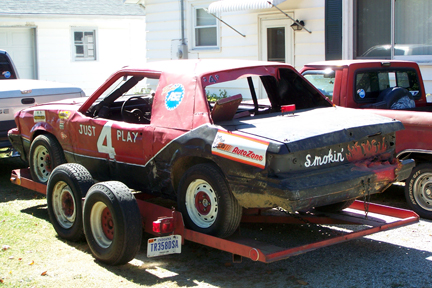
i. Racing or Stunt Activities
Coverage does not
apply to bodily injury or property damage arising from using autos, mobile
equipment, watercraft, aircraft, or recreational vehicles in organized or
pre-arranged racing, speed contests, pulling, pushing, stunt activities, or
competitions. Additionally, there is no coverage for bodily injury or property
damage that may occur during practice or preparation for these events.
|
|
Example: Mike
at Mike's Machinery Movers restores muscle cars in his spare time. He runs
them on his own quarter-mile drag strip on his large country land. During a
test run, the vehicle loses control, crashes through the fence, and damages
his neighbor's machine shed. The property damage is covered because Mike's
test was not part of an official or organized event. |
j. Communication Laws or Regulations
Bodily injury, property damage, personal and
advertising injury, or any related injury covered by underlying insurance
(including claims-made policies), resulting directly or indirectly from actual
or alleged violations of any of the following state or local laws or
regulations, or similar statutes.
·
The Telephone Consumer Protection Act (TCPA), including any amendments
or additions.
·
The CAN-SPAM Act of 2003, including any amendments or additions.
·
The Fair Credit Reporting Act (FCRA), the Fair and Accurate Credit
Transaction Act (FACTA), including any amendments or additions.
·
Any other local, state, or federal law, ordinance, or regulation related
to sending, collecting, disposing of, recording, printing, transmitting,
communicating, or distributing material or information.
k.
Employment-Related
Practices
Bodily injury or personal and
advertising injury to a person due to any of the following:
·
Refusing to
employ a person or terminating that employee's employment.
·
On-the-job
practices, acts, policies, or omissions related to employment—including sexual
misconduct, coercion, discipline, defamation, malicious prosecution, demotion,
reassignment, humiliation, evaluation, harassment, discrimination, or any
omissions directed at that person.
|
Example: Leo
at Leo's Lawnmowers decides not to hire Louie, a mechanic, because he heard a
rumor that Louie had a history of faking workers compensation injuries and
taking extended periods off work. Louie finds out the real reason he was not
hired and sues Leo. Leo has to defend himself at his own expense because of
this exclusion. |
·
Consequential damage to a person’s family
members resulting from injuries sustained by that individual, as described
above.
·
This
exclusion is applicable whether the injury occurred before the person became an
employee, during their employment, or after they were terminated.
·
The
exclusion applies regardless of whether the insured is liable as an employer or
in any other role, and whether they must share or repay damages caused by the
injury.
l. War
Bodily injury or property damage caused directly or
indirectly by any act of war, undeclared war, or civil war.
It includes the following:
·
warlike action by a military force.
·
actions a government takes to prevent or
defend against an anticipated or ongoing attack by any government or authority
using military forces or agents.
·
rebellion, revolution, insurrection, usurpation
of power, or actions a government authority takes to hinder or defend against
any of these.
m. Data Records
Any
damages, expenses, costs, or losses arising from the loss of, loss of use of,
damage to, corruption of, inability to access, change, or manipulate electronic
data.
If the underlying insurance
covers these exposures or would have covered them, provided its limits were not
exhausted, this coverage adheres to the same terms, exclusions, and limitations
of the underlying insurance unless specified otherwise.
NOTE: Electronic
data is typically defined as information, facts, or programs used in
conjunction with computer software or any other media used with electronically
controlled equipment.
n. Lead
Bodily injury or property damage
related in any way to any aspect of lead.
o. Silica
Bodily injury or property damage
related in any way to any aspect of silica.
p. Asbestos
Bodily injury or property damage related in
any way to any aspect of asbestos.
|
Example: The
city of Leesville condemns the derelict apartment building and arranges for
its implosion, but first uses an asbestos abatement contractor to remove
asbestos. Despite performing the abatement operation under the direction of
an asbestos abatement expert, one of the abatement firm's employees is
exposed to and ingests asbestos fibers. The bodily injury the employee
sustained is not covered because of this exclusion. |
q. Medical Payments
Medical payments or expenses
paid, regardless of who is at fault. This exclusion applies regardless of
whether the underlying insurance covers those payments or expenses.
COVERAGE U–UMBRELLA LIABILITY
1. Insuring Agreement
a.
The
insurance company covers amounts on the insured's behalf that exceed the
self-insured retention or other insurance the insured has, which provides
coverage for injury or damage included in this policy’s Insuring Agreement.
However, it does not apply to insurance the insured purchased specifically to
act as excess over the coverage provided by this policy.
·
Coverage
applies to damages the insured is legally responsible for paying, due to bodily
injury, property damage, or personal and advertising injury covered under this
policy.
·
The insurance
company has the right and obligation to defend the insured against lawsuits
seeking damages for bodily injury, property damage, or personal and advertising
injury covered by this Insuring Agreement.
·
Even if the
insurance company has no duty to defend, it still has the right to participate
in suits with the underlying insurer when this insurance might apply.
·
The insurer
has no obligation to defend the insured when the policy excludes the cause of
loss.
·
If the
insurance company is obligated to defend, they have the right to investigate
any incident or offense related to this coverage and may settle the resulting
claim or lawsuit at their discretion.
b.
The
amount the insurance company pays is outlined in the How Much We Pay section of
the policy. Payment obligations start only after the underlying limits are
exhausted. These underlying limits can also be reduced by defense costs, but
only if the underlying insurance covers defense costs within the coverage
limits.
c.
The
insurance company is not obligated to defend the insured once it has paid an
amount equal to the policy limit. Payments may come from either written
settlements it agrees to or from judgments. Apart from the provisions under
Supplemental Payments, the insurance company is not required to provide
support, assistance, or pay any other amounts.
d.
Coverage
applies only to bodily injury or property damage that satisfies all of the
following requirements:
·
Occurs
during this insurance’s policy period.
·
Results from
an event occurring within the coverage territory.
·
Does not
continue, resume, or alter covered bodily injury or property damage a
designated insured was aware of before this insurance’s inception.
The
Knowledge of Bodily Injury or Property Damage Condition explains this issue. If
a designated insured was aware of bodily injury or property damage that
occurred before this insurance began, any ongoing, resumed, or altered injury
or damage is regarded as part of the original incident, even after the policy
expired.
Related Court Case: Known Injury or Damage
Not Excluded in Continuous or Progressive Damage Loss
Conversely, bodily injury or
property damage occurring during this policy period that is not a continuation,
resumption, or change of any injury or damage known to the insured before the
policy began will be covered. In such cases, coverage extends to any
continuation, resumption, or change in bodily injury or property damage
occurring after the policy has ended.
|
Example: Jack's
Janitorial Services' Commercial Excess/Umbrella Liability Coverage with Macho
Mutual has expired, and the renewal is now with Super Stock Insurance
Company. A month before the Macho policy ended, Jack hit and injured an
employee of a customer while cleaning their office. The injury caused
complications that resulted in expenses for more than a year after the
incident. Although most of these charges occurred after the Macho policy
expired, Macho was still liable for paying them. |
e.
Coverage
applies to personal and advertising injury arising from offenses committed
while conducting the named insured's business. These offenses must occur during
the policy period and within the coverage territory.
f.
Damages
arising from bodily injury include claims made by any party at any time for
care, loss of services, or death resulting from such injuries.
g.
Coverage
U—Umbrella Liability does not apply to claims covered by Coverage E—Excess
Liability, nor to claims that Coverage E would have covered if the underlying
insurance limits had not been exhausted.
2. Exclusions
NOTE: The Editors added titles to enhance clarity.
a. Intended Injury or Damage
Bodily injury or property damage expected,
intended, or directed by the insured, or resulting from deliberate and
malicious acts, is not covered. However, bodily injury caused by using
reasonable force to protect individuals or property is covered.
|
Example: Harvey
is fed up with the neighborhood teenagers making fun of him and keeping him
up late at night with loud noises, slamming his front screen door, and
threatening him. He decides to retaliate by rigging the door so that a
shotgun will fire to the side, hoping to scare them away once and for all.
However, the plan goes tragically wrong when the shotgun is dislodged,
discharges unexpectedly, and injures two of the perpetrators. Although Harvey
had no intention of hurting anyone, the injuries caused by his deliberate act
were excluded. |
NOTE: The
primary reason for this exclusion is to prevent the insurance company from
getting involved with non-accidental losses. Additionally, it serves the public
interest. It ensures the insured will not use the coverage for gain, such as
theft, to hurt a competitor, seek revenge, or cause any other intentional harm.
The language of this exclusion is still being challenged and interpreted by
courts, especially in cases where the action was intentional, but the resulting
injury or damage was not.
Related
Article:
Expected or Intended Injury Exclusion
Related
Court Cases:
Intentional Damage
Exclusion Barred Claims against Liability Insurer of Store Owner
"Expected Or Intended Injury" Exclusion Did Not Apply to Bar Patron's
Injuries
b. Contract or Agreement
Bodily injury or property damage
the insured assumes under a contract or agreement is excluded.
However, this exclusion includes
the following exceptions:
·
When
liability for damages caused by the insured remains even without a contract or
agreement.
·
Liability
for damages that arise from bodily injury or property damage the insured
assumes under a covered contract. However, bodily injury or property damage
must occur after the insured has executed the contract.
Damages arising from such
contractually obligated bodily injury and property damage include reasonable
attorney fees and necessary litigation costs incurred by or on behalf of the
indemnitee. This coverage is subject to both of the following conditions:
- The
covered contact assumes liability for that indemnitee’s defense or
related defense costs.
- Such
attorney fees and litigation expenses are meant to defend the indemnitee
against lawsuits or legal actions claiming damages covered by this
insurance.
Costs of defense are included in
Supplementary Payments if all conditions in Supplementary Payments 4.b are met.
If not, reasonable attorney fees and necessary litigation costs incurred by or on
behalf of an indemnitee are considered part of the damages.
NOTE: Defense costs that are part of damages are included
within the insurance limit rather than outside of it. As a result, all defense
costs decrease the amount available to pay for any settlement or judgment.
c. Employment Retirement Income Security Act (ERISA)
Claims based on violations of
requirements imposed on fiduciaries by the Employment Retirement Income
Security Act (ERISA) of 1974. This exclusion also applies to violations of
amendments to the Act and similar regulations.
d. Mandatory Benefits
Bodily injury in cases where the
insured must provide benefits under laws such as workers compensation,
disability benefits, occupational disease, unemployment compensation, or
similar legislation.
NOTE: The purpose of this exclusion is
to prevent duplicate coverage for injuries that should be covered under workers
compensation.
e. Employee – Crew Member
Liability
for bodily injury to an employee of the insured who is injured while working as
a master or crew member on any vessel.
NOTE: Ocean
Marine coverage forms and policies provide coverage for this exposure.
Related Article: Ocean Marine Insurance
Overview
f. Auto
Liability enforced by laws such
as automobile no-fault, uninsured or underinsured motorist laws, personal
injury protection, medical payments, or first-party physical damage coverage.
g. Pollution - Personal and Advertising Injury
Personal and advertising injury arising
from any aspect of pollutants.
h. Pollution - Abatement
Any loss, cost, or expense arising from the following:
- Requests, demands, orders, or legal
requirements that any insured or others test for, monitor, clean up,
abate, remove, contain, treat, detoxify, neutralize, respond to, or assess
the effects of pollutants in any way.
- Claims or lawsuits filed by a government
authority (or on its behalf) seeking damages related to testing,
monitoring, cleaning, removing, containing, treating, detoxifying,
neutralizing, responding to, or evaluating the effects of pollutants in
any way.
NOTE: A
separate pollution policy should be considered if additional pollution
liability coverage is needed.
Related
Court Cases:
Contaminant Clarified With Respect to Application of Pollution Exclusion
Environmental Cleanup Costs Held Not Covered by CGL Insurance
Pollution Claim by Insured for Damage to His Property by Former Tenant Held Not
Covered
Pollution Exclusion Applied Although Toxic Waste Was Turned Over to Transporter
for Disposal
Pollution Exclusion Held Applicable to Cigarette Smoke
i. War
Bodily injury or property damage caused directly or
indirectly by any act of war, undeclared war, or civil war.
It includes the following:
·
warlike action by a military force.
·
actions a government takes to prevent or
defend against an anticipated or ongoing attack by any government or authority
using military forces or agents.
·
rebellion, revolution, insurrection, usurpation
of power, or actions a government authority takes to hinder or defend against
any of these.
j. Vehicles
Bodily injury or property damage arising
from owning, maintaining, using, occupying, renting, operating, loaning,
entrusting, supervising, loading, or unloading autos, mobile equipment,
recreational vehicles, watercraft, or aircraft
k. Liquor
The insurance company does not
cover bodily injuries or property damage for which any insured might be held
responsible, because of:
·
Causing or contributing to any person becoming intoxicated.
·
Providing alcoholic beverages to someone who is either under the legal
drinking age or already intoxicated.
·
Any law that pertains to the sale, delivery, distribution, or use of
alcoholic beverages.
A key exception to
this exclusion: it does not apply if the named insured is not engaged in
manufacturing, distributing, selling, serving, or providing alcoholic
beverages.
|
Example: Serendipity Seeds and Grain owns a large yacht that it rents out to others. However, it fails to properly maintain the yacht, and a renter is injured while trying to maneuver it into its mooring. The coverage does not cover the injuries sustained by the person. |
|
Examples:
Both examples are covered if bodily injury or
property damage occurs as a result of consuming alcoholic beverages since neither
situation involves manufacturing, distributing, selling, serving, or
providing alcoholic beverages. |
On the other hand, consider the following:
|
Example: Bubba's Beer Distributors
sponsored a fundraiser for a local semi-professional football team by hosting
a beer-tasting event. At this event, beer is served to everyone who
contributes to the team. An attendee, after being served several beers, was
injured while traveling home from the event. There is no coverage for Bubba
if he is sued for contributing to the attendee's intoxication. This is
because Bubba’s business is involved in distributing beer, a type of
alcoholic beverage. |
Related
Court Cases:
Liquor Liability
Exclusion Held Applicable to Nonprofit VFW
Liquor Liability Suit
Based on Failure to Restrain Patron Did Not Circumvent Exclusion
CGL Policy's Liquor Exclusion Inapplicable to Sales During Festival
l. Bodily injury
·
To an employee of the insured when that bodily injury results from their
employment by the insured or occurs while performing duties related to
conducting the insured’s business.
·
To the spouse, children, parents, brothers, or sisters of an employee
who is injured as described above and whose bodily injury is a consequence of
that employee's injury.
This
exclusion applies regardless of whether the insured is liable as an employer or
in any other capacity. It also covers situations where the insured must share
damages or reimburse someone else who is responsible for paying damages related
to the injury.
NOTE: This
clarification is especially important due to the increasing use of contractors,
subcontractors, independent contractors, or leased employees, and the resulting
uncertainty regarding who is responsible for injuries to them.
However,
this exclusion does not apply to liability the insured assumes under a covered
contract.
m. Professional Services
Bodily injury, property damage,
or personal and advertising injury due to providing or failing to provide any
professional service.
n.
Employment-Related Practices
Bodily injury or personal and
advertising injury to a person due to any of the following:
·
Refusing to
employ a person or terminating that employee's employment.
·
Employment
termination.
·
On-the-job
practices, acts, policies, or omissions related to employment, including sexual
misconduct, coercion, discipline, defamation, malicious prosecution, demotion,
reassignment, humiliation, evaluation, harassment, discrimination, or any
omissions directed at that person.
NOTE: Malicious prosecution is included
because the court in Peterborough Oil Company, Inc. v. Great American Insurance
declined to omit malicious prosecution as an employment-related practice. The
court reasoned that if the insurance company did not intend to cover malicious
prosecution, it should have explicitly listed it. The court concluded that this
exclusion must be interpreted narrowly, so that even with the phrase “such as”
preceding the list, only the items explicitly enumerated could be considered
excluded.
·
Consequential
injury to a family member resulting from injuries that individual sustains as
described above. This exclusion applies regardless of whether the injury
occurred before employment, during employment, or after employment termination.
NOTE: This final paragraph is in
response to Owners Insurance Company v. Clayton South Carolina Supreme Court,
where the insurance provider was obliged to cover damages for a terminated
employee who was defamed following her dismissal by the employer.
Exclusion n. applies regardless
of whether the insured is liable as an employer or in any other capacity, or if
they must share damages or reimburse someone else who is responsible for paying
damages due to the injury.
o. Property Damage to Insured’s Property
Property damage to
property owned, rented, or occupied by the insured is not covered. This also
includes any costs or expenses incurred by the insured or third parties to
repair, replace, retrofit, or maintain such property, even if these actions are
intended to prevent injury or damage to property of others.
|
Example: Bob's
Bobcats Sales and Service experiences a business boom and needs to rent
additional warehouse space in the neighboring building. One of Bob's
employees hits a load-bearing column with a bobcat, causing part of the
building to collapse shortly afterward. The building must be closed for three
weeks until the structural damage is repaired. The damage to the building is
excluded because the warehouse was controlled by and rented to Bob's Bobcats.
|
p. Products
Damage to products caused by the product
itself or its components.
|
Example: Household
Appliances manufactures a range of kitchen appliances, including a
deep-fryer. Henrietta purchases one and is initially pleased with its
performance. However, one day the thermostat malfunctions, causing the unit
to overheat. This leads the fat to ignite, resulting in a fire that destroys
her kitchen and causes her minor injuries. The fire also destroys the deep fryer itself. While
Household Appliances’ Excess/Umbrella Liability Coverage applies to the
damage to the kitchen and Henrietta’s injuries, it does not cover the
destroyed deep fryer. NOTE: Households
may have a cause of action against the thermostat supplier if it is clearly
established that the thermostat malfunction caused the injury and damage.
|
q.
Insured’s Work
Property damage to specific parts
of real property caused by work performed by the named insured. This exclusion
also applies if a contractor or subcontractor working for the named insured
performs the work.
However, this exclusion does not
apply to liability assumed under a sidetrack agreement.
r. Faulty Work
Property damage to a specific part of any property that requires
restoration, repair, or replacement due to faults in the named insured's work.
However, property damage covered by the products/completed work hazard and
liability assumed under a sidetrack agreement are not excluded.
s. Care, Custody, or Control
Property damage to personal
property in the insured's care, custody, or control. However, liability assumed
under a written trailer interchange or sidetrack agreement is not excluded.
t. Performance or Contract Delay
Property
damage not involving physical injury or destruction of property, or damage to
impaired property, is excluded if it arises from the named insured or their
representative failing to fulfill a contract or causing delays. Additionally, the
coverage does not apply if the damage is due to defects, deficiencies,
inadequacies, or unsafe conditions in the insured's work or products.
NOTE: Property
damage includes loss of use even when the property is not physically harmed.
Therefore, this exclusion means that the loss of use caused when the insured’s
work prevents an item from being used is not covered.
|
Example: Iggy's Injectors
manufactures a fuel injection and ignition system. One of his customers is
Morrie's Mowers. Morrie uses the system as a component in a line of its lawn
mowers. The system turns out to be defective, and the mowers do not work. In
this case, the system is impaired but not damaged, and the downtime sustained
when it does not work is excluded. |
However,
the loss of use of other property
due to sudden and accidental physical injury or destruction of the named
insured's work or products after they have been put to their intended use is
not excluded.
u. Loaned Property
Property damage to property
loaned to the named insured is excluded. However, liability assumed under a
written trailer interchange or sidetrack agreement is not excluded.
v.
Property Sold, Abandoned, Parted
Property
damage to premises the named insured sold, gave away, or abandoned is excluded
if the damage arises from any part of those premises. However, this exclusion
does not apply to premises that are part of the insured's work but were never
occupied, rented, or held for rental.
w. Loss of Use
Any loss, expense,
or cost incurred by the named insured or others due to loss of use, disposal,
withdrawal, recall, inspection, repair, replacement, adjustment, or removal of
the named insured's work, products, or impaired property. This also includes expenses
related to withdrawals or recalls, as well as when work, products, or impaired
property is withdrawn or recalled from the market or use due to known or
suspected defects, deficiencies, or unsafe conditions.
|
Example: Building on the earlier
example of Iggy's Injectors above, Iggy immediately recalls all the fuel
injection and ignition systems. None of the recall expenses are covered. |
x. Data Records
Any
damages, expenses, costs, or losses arising from the loss, inability to use,
damage, corruption, or inaccessibility of electronic data records, including
their modification or manipulation.
NOTE: Electronic
data generally refers to information, facts, or programs used with computer
software or any other media associated with electronically controlled
equipment.
y. Products/Completed Work Hazard
Property damage to the named
insured's work arising from that work, and is included in the
products/completed work hazard coverage, is excluded.
However, damage caused by a
subcontractor to the work or part of the work they are responsible for on
behalf of the named insured is not excluded.
z. Communication Laws or Regulations
Bodily
injury, property damage, personal and advertising injury, or any related injury
covered by underlying insurance (including claims-made policies), resulting
directly or indirectly from actual or alleged violations of any of the
following state or local laws or regulations, or similar statutes.
·
The Telephone Consumer Protection Act (TCPA), including any amendments
or additions.
·
The CAN-SPAM Act of 2003, including any amendments or additions.
·
The Fair Credit Reporting Act (FCRA), the Fair and Accurate Credit
Transaction Act (FACTA), including any amendments or additions.
·
Any other local, state, or federal law, ordinance, or regulation related
to sending, collecting, disposing of, recording, printing, transmitting,
communicating, or distributing material or information.
aa. Intentional Act
Personal and advertising injury arising from
an act committed or directed by the insured, knowing it will result in such
injury.
|
Example: Hollywood Weekly
hires Bob to gather stories for its publication. In his pursuit of a
particular movie star, Bob becomes overly aggressive and ends up receiving a
restraining order. Despite this, Hollywood Weekly insists Bob continue his
attempts to obtain the story, regardless of the repercussions. If the movie
star decides to sue Hollywood Weekly for pressuring Bob to ignore the
restraining order, Hollywood will not have coverage for that lawsuit |
bb. Criminal Acts
Personal and advertising injury arising
from a criminal act the insured commits or directs.
|
Example: Continuing with
the Hollywood Weekly example, Bob is not provided with the details of an
incident needed for a story. So, Hollywood Weekly instructs him to break into
a building and copy confidential files. If the break-in is discovered,
Hollywood will not have coverage if they are sued. However, if Bob breaks in
secretly without Hollywood’s knowledge, Hollywood remains covered while Bob
is on his own. |
cc. False Advertising
Personal and advertising injury arising
from oral or written material published by or under the insured's direction,
which the insured knew to be false, is excluded.
|
Example: An article in All Trash
Fit To Print reports a prominent businessman's son was arrested for drunk
driving. However, All Trash knew it was only a traffic stop that did not
result in a ticket or citation. There is no coverage if the businessman’s son
decides to sue All Trash. |
Personal and advertising injury arising from
oral or written publication of material that began before the coverage
inception date is also excluded.
|
Example: Coverage is effective
01/01/2023. An official publication date of
01/02/2025 has been announced, but an advance copy was released on 12/28/2024.
Since the first publication took place before the effective date, there is no
coverage if a suit is filed seeking damages for personal and advertising
injury. |
dd. Breach of Contract
Personal and
advertising injury arising from breach of contract is excluded.
However, this exclusion does not apply
if there is an implied contract involving the use of another party's
advertising idea in the named insured's advertisement.
|
Example: Pronto Printing
contracted to design, print, and mail a promotional brochure for Hugh's
Hardware. The project was time-sensitive, but Pronto was not prompt and
missed the mailing deadline by several days. Hugh’s sued Pronto for breach of
contract, but unfortunately, there is no coverage. |
ee. Goods, Products, Services
Personal and advertising injury arising
from the insured's goods, products, or services not meeting the quality or
performance claims made in its advertisements.
|
Example: Two-ton Tommy sues
WeightBeGone because its weight loss product promised weight loss, but he
only ended up gaining weight. There is no coverage for this suit. |
ff. In the Business of Media
Personal and
advertising injury committed by an insured in the fields of advertising,
broadcasting, publishing, or telecasting is excluded. It also includes situations
where the insured’s business creates or manages website content for others, or
offers Internet search, access, content, or services.
However, this exclusion
does not apply to the parts of the definition of personal and advertising
injury involving false arrest, detention, imprisonment, or malicious
prosecution. It also does not apply to activities related to landlords, such as
wrongful eviction, entry, or invasion of private occupancy.
If the insured only
places advertising that includes frames, borders, or links on the Internet,
they are not considered to be engaged in the business of advertising,
broadcasting, publishing, or telecasting.
gg. Incorrect Descriptions
Personal and advertising injury arising
from incorrect descriptions of goods, products, or services stated in the named
insured's advertisement is not covered.
|
Example: Ace Advertising sues
Crosstown Truth for lost revenue caused by an incorrect decimal point in a
product sale price for an ad. This loss is not covered. |
hh. Agreement or Contract Assumption
Personal and
advertising injury liability assumed by the insured in an agreement or contract
is excluded. However, coverage applies if liability exists even without a
contract or agreement.
ii. Infringement of Property Rights
Personal and
advertising injury arising from any infringement of copyright, patent,
trademark, trade secret, or any other intellectual property rights.
NOTE: There is no requirement that the
named insured, an insured, or even someone who acts on behalf of either does
the infringing. All infringement is excluded.
This exclusion does not include
the following:
·
When
the concept of another person is included in the advertisement for the named
insured.
·
When
the advertisement of the named insured violates copyright, trade dress, or
slogan rights.
Related Court Case: Insurer is Obligated to
Defend Copyright Infringement Claim
jj. Social Media
Personal and
advertising injury arising out of an electronic chatroom, gripe sites, bulletin
boards, blogs, or social networking sites, but only if the insured owns, hosts,
or controls them.
kk. Misleading Potential Customers
Personal and advertising injury arising from the
named insured's attempt to deceive other customers or potential customers
through the Internet. This exclusion applies when the deception involves the
unauthorized use of another party’s name or product in the named insured's
email address, domain, or metatag.
ll. Lead
Bodily injury, property damage, personal
and advertising injury, or loss, cost, or expense related in any way to any
aspect of lead.
mm. Silica
Bodily injury, property damage, personal
and advertising injury, or loss, cost, or expense related in any way to any
aspect of silica.
nn. Asbestos
Bodily injury, property damage, personal
and advertising injury, or loss, cost, or expense related in any way to any
aspect of asbestos.
SUPPLEMENTAL PAYMENTS
NOTE: The Editors added titles to enhance clarity.
1. Payments
When the insurance company has the duty to defend,
it covers all of the following costs when it investigates, settles claims, or
defends suits:
- Court
costs of a suit, the court rules are the insured's responsibility. This does
not include attorney fees or expenses.
- All
expenses incurred by the insurance company.
- Reasonable
expenses the insured incurs at the insurance company's request to assist
in investigating or defending a claim or lawsuit. This also covers up to
$250 per day in lost wages if the insured has to be absent from work.
NOTE: These can be very costly for the
insured, particularly when a court imposes the costs and expenses of the
proceeding on the negligent party.
- Prejudgment interest the court awards, but only
on the portion of the judgment paid by the insurance company. However, the
insurance company will not pay prejudgment interest accruing after it has
offered full limits.
- Interest
that accumulates on the entire judgment amount after it is entered but
before the insurance company pays, offers to pay, or deposits its portion
of the judgment, within the insurance limits, with the court.
- Cost
of appeal bonds or bonds to release attachments. It is limited to the bond
amounts and does not exceed the applicable insurance limits. The insurance
company is not required to apply for or provide the bonds.
NOTE: The
cost for the bond in excess of the limit of the insured is at the insured’s
expense.
- Bail
bond costs are covered only if resulting from an occurrence this policy
covers and is limited to $2,000. The insurance company isn't required to
apply for or furnish the bonds.
2. Additional Limits
This
part of the provision applies only to Coverage E–Excess Liability. The limits
of underlying insurance may be decreased by defense costs, which in turn also
reduce the related Supplemental Payments under this policy. Unless specified
otherwise, payments made are in addition to the policy’s limits of insurance.
NOTE: This provision is important because these expenses
can be significant and might lower the available limits if included within the
applicable insurance limits.
3. Expenses
There are situations where the
insurance company has the right to defend the insured and may choose to
participate in the defense, but it is not obligated to do so. If it exercises
this right, it pays its own expenses but does not contribute to the expenses of
the insured or the underlying carrier.
4. Indemnitees
The insurance company might be
required to defend the insured in a lawsuit if the insured's indemnitee is also
a party. In such cases, the insurance company takes the following actions:
- Defends the indemnitee.
- Cover attorney fees incurred
to defend the indemnitee.
- Cover necessary litigation
expenses incurred.
- Cover the litigation costs
incurred by the indemnitee upon its request.
However, the actions and payments
above are subject to all of the following conditions:
- The
claim against the indemnitee must pursue damages the insured agreed to
cover in an insured contract or agreement.
- This
policy covers the liability assumed by the insured.
- The
insured is required to have agreed to defend or cover defense costs within
the same insurance contract or agreement.
- According
to the insurance company's understanding of the incident and the
allegations in the lawsuit, there should be no obvious conflict between
the interests of the insured and the indemnitee.
- Both
the insured and the indemnitee need to request the insurance company
manage the indemnitee's defense in the lawsuit and agree to use the same
legal representative for both parties.
- The
indemnitee is required to agree to perform all of the following:
o
Cooperate with the insurance company during its investigation, defense,
or settlement of the suit.
o
Immediately forward the insurance company copies of any demands,
notices, summonses, or legal documents related to the suit.
o
Inform any other insurance company that might provide coverage to the
indemnitee.
o
Cooperate with the insurance company to coordinate any other available insurance.
o
Provide the insurance company with written permission to access records
related to the lawsuit.
o
Provide the insurance company with any additional details related to the
lawsuit.
o
Provide the insurance company with written authorization to manage and
oversee the indemnitee's defense in the lawsuit.
These
payments are not considered damages for bodily injury and property damage if
the insured and the indemnitee meet certain conditions, meaning the cost and
expenses will not reduce the coverage limits available to pay losses. It
essentially voids the provisions of Coverage U—Umbrella Liability's exclusion
2. b. 2)., which agrees to pay such expenses but only as damages.
The
insurance company's duty to defend the indemnitee ends once it has exhausted
the coverage limit for judgments or settlements, or if the outlined conditions
and agreements are not fulfilled.
WHAT MUST BE DONE IN CASE OF LOSS
1. Cooperation
This part of the provision
applies specifically to Coverage E–Excess Liability. The named insured is
required to cooperate with underlying insurance carriers and adhere to all
terms and conditions of the underlying policies.
Additionally, all insureds
involved in a loss are required to cooperate with the insurance company during
the investigation, settlement, or defense of claims and lawsuits.
2. Notice
The
insured must promptly inform the insurance company if an incident or offense
likely to be covered occurs. This also includes situations where the insured
becomes aware of any situation that could lead to a claim under this policy.
The
notice should contain the following details:
·
name of the insured
·
policy number
·
time, place, and circumstances of the occurrence or offense
·
names and addresses of all known and potential claimants and witnesses
3. Voluntary Payments
Volunteer
payments cannot be made, nor can obligations or costs be assumed by any insured
unless they are paid at the insured’s expense. The insured will not be
reimbursed by the insurance company.
4. Other Duties
The named insured or any other
insured has additional duties if an incident or offense occurs that could
result in a claim. They are required to promptly send the insurance company
copies of all legal documents, demands, and notices. Additionally, upon request,
they must cooperate with and support the insurance company in all of the
following actions:
- Enforce
the insurance company's recovery rights against all parties potentially
responsible for injury or damage to the insured.
- Gather
and provide evidence.
- Arrange
for all witnesses to attend.
HOW MUCH WE PAY
Coverage E–Excess Liability and Coverage U–Umbrella Liability
NOTE: The Editors added titles to enhance clarity.
1. Limits
The
most paid for all damages is limited to the limits specified on the
declarations. This limit applies regardless of how many insured individuals,
persons, or organizations are injured or damaged, as well as the number of
claims or lawsuits filed, vehicles or watercraft involved, or coverages
provided by the policy.
2. General Aggregate Limit
The
General Aggregate Limit is the maximum amount paid for all damages under
Coverages E and U, including any defense costs the company covers under
Coverage E, particularly when these costs decrease the available limits of
underlying insurance.
However,
the General Aggregate does not apply to the following damages for bodily injury
or property damage:
- Damage
or injury included in the products/completed work hazards.
- Damages
or injury included in the underlying insurance not subject to the aggregate
limit.
3. Products/Completed Work Hazard Aggregate Limit
This
limit is the maximum amount payable for damages arising from injury or damage
covered under the products/completed work hazard.
4. Each Occurrence Limit
The
Each Occurrence Limit is subject to the General Aggregate Limit and the
Products/Completed Work Hazard Aggregate Limit. It represents the maximum
amount paid for all damages under Coverages E—Excess Liability and U—Umbrella
Liability, including defense costs incurred by the company under Coverage E.
When defense costs are paid, they reduce the applicable underlying insurance
limits.
The
damages must be due to the following:
- Under
Coverage E–Excess Liability and Coverage U–Umbrella Liability:
o
All bodily injury and property damage arising from a single occurrence.
o
All personal and advertising injury sustained by any one person or
organization.
- Under
Coverage E–Excess Liability, when covering defense costs decreases the
limits of the underlying insurance:
o
All bodily injury and property damage that arises from a single
occurrence.
o
All personal and advertising injury that any one person or organization
sustains.
o
With respect to Coverage E, any other injury or damage that arises from
a single negligent error, omission, act, offense, incident, or event.
5. Coverage E–Excess Liability– Underlying Insurance Limits Exhausted
Damages,
claims payments, and/or defense costs might deplete the limits of underlying
insurance. If that happens, this policy acts as the underlying insurance
coverage.
6. Coverage E–Excess Liability– Underlying Insurance Limits Reduced
Damages,
claims payments, and/or defense costs might lower the limits of any underlying
insurance. If that happens, this policy will act as excess coverage above the
reduced limits of the underlying insurance.
7. Coverage E–Excess Liability–Non-concurrent Underlying Insurance
Underlying
insurance may not be concurrent with this policy’s term. If this occurs, only
claims for occurrences, offenses, and other negligent errors, omissions, acts,
incidents, events, and injuries covered by the underlying insurance that happen
during this policy’s term are considered when determining whether any aggregate
limit in the underlying insurance is reduced or exhausted.
This
part of the provision pertains to underlying insurance written on a claims-made
basis. Only the following actions will reduce or exhaust the limits of the
underlying insurance:
- Claims
filed during the duration of this policy or any Extended Reporting Period.
- Related
defense costs, but only if paying these costs decreases the limits of the
underlying insurance.
8. Application of General Aggregate Limit and Products/Completed Work Hazard Aggregate Limit
The General Aggregate Limit and
the Products/Completed Work Hazard Aggregate Limit restart every 12 months from
the effective date on the declarations. They also apply separately to any
policy period shorter than 12 months. Additionally, if the policy is extended,
the extension period is included as part of the previous period when
determining limits.
CONDITIONS
1. Appeals
The insurance company can pursue
an appeal beyond the coverage limit for Coverage E or above the self-insured
retention for Coverage U, even if the underlying carrier or the insured chooses
not to appeal. If it does so, the insurance company is responsible for the
related expenses. These costs are in addition to the limit.
NOTE: This provision allows the excess
or umbrella liability carrier to safeguard its interests. Sometimes, an
underlying carrier or self-insured may choose not to appeal a judgment. For
instance, if the judgment exceeds the umbrella policy’s retained limit, the
umbrella carrier can decide to appeal at its own expense. This is crucial when
the underlying carrier suspects the verdict will exceed its limits and opts not
to invest further resources in what may be a lost cause.
2. Assignment
Assigning the policy requires
approval and written consent from the insurance company.
3. Bankruptcy of an Insured
The
insurance company remains obligated and is not relieved of any of its
responsibilities if an insured declares bankruptcy or becomes insolvent.
NOTE: This means the excess/umbrella
coverage remains in effect as if the insured is still solvent.
4. Bankruptcy of Underlying Insurer
This condition relates to
Coverage E–Excess Liability. The Excess/Umbrella policy will not replace the
underlying insurance if the underlying insurer becomes bankrupt or insolvent.
Instead, it remains effective as if the underlying insurance is still valid and
collectible.
5. Cancellation and Nonrenewal
This condition refers to the
state-specific endorsement identified on the declarations page of the insurance
policy.
6. Change, Modification, or Waiver of Policy Terms
Waivers or modifications to the
policy terms are only valid if the insurance company approves them in writing.
7. Conformity with Statute
Any policy terms conflicting with
state laws where the policy is issued are changed to comply with those laws.
8. Examination of Books and Records
The insurance company has the
right to review and audit any parts of the named insured's books and records
related to the policy during the policy period and up to three years after it
expires.
9. Inspections
The insurance company or its
representatives may inspect the named insured's property and operations at any
time, but are not required to do so. These inspections and any recommendations
from the reports are only for the company's benefit. They do not guarantee the
insured's property or operations are safe, healthy, or lawfully compliant.
10. Knowledge of Bodily Injury or Property Damage
This provision applies to
Coverage U–Umbrella Liability. Knowledge of bodily injury or property damage is
considered to have occurred at the earliest of the following when any
designated insured:
- receives a suit, claim, or
demand for damages alleging injury or damage.
- reports the injury or damage
to the insurance company or any other carrier.
- becomes aware of anything
suggesting injury or damage has occurred or is occurring.
11. Legal Action against Us
The
insurance company cannot be sued until all of the following conditions have
been fulfilled:
·
All policy terms are met.
·
The insured's liability amount has been established as follows:
o
a final judgment in a trial, or;
o
A written agreement has been made between the insured, the claimant
seeking damages, and the insurance company.
This
policy does not cover any injury or damage excluded or that exceeds the
applicable limit.
No
party is permitted to join or implead the insurance company in any proceeding
to establish an insured's liability.
NOTE: The insurance company can be sued to recover an
agreed settlement or final judgment against an insured. However, it is not liable
for damages which the policy does not insure or exceeds the applicable
insurance limit.
An agreed settlement is a
settlement and release of liability agreement signed by the company, the
insured, and the claimant or their legal representative.
12. Maintenance of Underlying Insurance
This condition applies to
Coverage E. The following conditions apply to the
underlying insurance:
·
The named
insured must maintain and keep all underlying insurance in effect during the
policy term.
·
If the
underlying policy is not properly maintained for any reason, this policy
responds as if the underlying insurance is still in force.
·
Cancellation,
non-renewal, or material changes in underlying coverage or limits must be
reported to the insurance company immediately.
·
The
insurance company's liability will not exceed what it would have been if the
underlying insurance had remained active or with the original limits and
coverages.
Payments for occurrences or
offenses during the policy period that reduce or exhaust any aggregate limit in
the underlying coverage are not the same as failing to maintain such underlying
insurance.
Additionally, any statement in
this condition does not restrict the insurance company's right to cancel or
non-renew.
Related Article: Maintaining Underlying
Limits
Related Court Case: Agency's Inaction
Results In Gap Between Primary And Umbrella
13. Misrepresentation, Concealment or Fraud
The
insurance policy is void concerning the named insured or any insured if, at any
time, any of the following occurs:
- Intentionally hid or falsely represented a
material fact or situation related to the insurance policy, or the named
insured or any other insured's interests.
- Involved in committing fraud or making false
sworn statements about any part of the insurance policy or its subject
matter.
NOTE: This condition clarifies the
named insured confirms all information on the declarations is accurate and
complete upon accepting coverage. It also confirms this information is based on
the applicant’s representations to the insurer on the application, which the
company relied on when issuing the policy.
14. Subrogation
If the
insurance company makes a payment under this policy, it might require the
insured to assign their recovery rights against third parties that may have
caused the loss. The company is not obligated to pay if the insured impairs or
affects those rights. However, an insured can waive their recovery rights in
writing prior to a loss occurring.
NOTE: When the insurance company makes
a payment under this policy, any rights the insured has to recover those
payments from responsible parties transfer to the insurer. The insured must not
jeopardize those rights. Additionally, if the insurer requests, the named
insured may need to assist with litigation, transfer of rights, or enforcement
of those rights.
|
Example:
Jerry works for Restless Foods. While
driving a company van, the engine suddenly failed, leading to a severe
accident. Seven vehicles were involved, and 14 individuals were hurt.
Restless Foods’ primary and umbrella insurance policies covered the victims
up to their policy limits. Jerry insisted he did nothing wrong, claiming the
van’s engine just stopped unexpectedly. Restless Foods’ carriers assumed their recovery
rights and filed a lawsuit against the van manufacturer after discovering a
faulty switch that caused the engine to shut down suddenly. |
15. Transfer of Defense
This condition applies to
Coverage E–Excess Liability and operates as follows when the underlying limits
have been exhausted due to a covered occurrence:
- The duty to defend of the
underlying insurer transfers to the umbrella carrier.
- The umbrella insurer agrees
to cooperate in the transfer and control of any unresolved claims or
suits.
16. Separate Insureds
Coverage
applies to each insured person who is sued or faces a claim. However, this does
not alter the limits outlined in How Much We Pay.
17. Premium
All
premiums are determined based on the insurance company's rules and rates.
The
premium on the declarations may be a deposit premium. If this is the case, the
insurance company calculates the actual earned premium for each audit period
and bills the named insured for any additional premium due.
The
premium billed must be paid by the due date on the billing notice. If the
deposit premium exceeds the audited earned premium, the insurance company will
refund the difference to the named insured.
The
named insured must maintain records and information needed by the insurance
company to calculate the premium. They must send the company copies of these
records and information when requested.
18. Insurance under More than One Policy
This insurance
applies as excess coverage over any other insurance, regardless of type. It
does not share or contribute to other policies unless explicitly written as
excess over this policy.
|
Example:
GasGrillzRUs manufactures outdoor gas grills, with the following
policies: ·
Company
A: Commercial Liability Coverage Form
with a $1,000,000 Aggregate Limit ·
Company
B: Umbrella Coverage Form with a
$1,000,000 Aggregate Limit ·
Company
C: Excess Layer with a $2,000,000
Aggregate Limit A GasGrillzRUs sales representative was
demonstrating its new line of gas grills at the Indiana State Fair when the
propane tank exploded. The total claims for damages and injuries amount to
$3,250,000. In this case, ·
Company
A initially pays its $1,000,000 aggregate
limit, leaving a remaining balance of $2,250,000. ·
Company
B is an umbrella policy purchased in
excess of Company A, and it pays its $1,000,000 aggregate limit, leaving a
remaining balance of $1,250,000. ·
Company
C provides a layer purchased as excess
coverage over Company C. It does not pay until both Company A and Company B exhausts
their limits. This results in Company C paying the remaining amount of
$1,250,000. |
The umbrella carrier is not
required to defend if another carrier is obligated to do so. However, it will
defend if no other carrier assumes that responsibility, and in doing so, it
acquires the rights of the insured against those carriers.
This
insurance only covers its share of the final net loss, which is the amount
exceeding what other primary coverage sources are responsible for, including
deductibles and/or self-insured retentions.
19. Loss Payable
The insurance company will only
pay after the insured, their underlying carrier, or any other applicable
insurance provider has paid the underlying insurance limit, self-insured
retention, or any other applicable insurance coverage limits. The insured's
obligation to contribute to the final loss must be established through a final
settlement, judgment, or written agreement between the insurance company, the
claimant, and the insured.
20. Extended Coverage Territory
- A lawsuit may be filed in a
country where the insurance company is unable to legally defend the
insured. In these situations, the insurer reimburses the insured for
defense costs and other necessary expenses it would have covered if it had
the right to defend. These payments are considered Supplementary Payments,
provided this policy covers them, and they do not count against the policy
limit.
- If a claimant is awarded
damages covered by this insurance at a location outside the coverage
territory, the company reimburses the insured for amounts it paid.
- Payments or reimbursements
are made in United States currency. The exchange rate for damages paid is
based on the rate at the time the insured was required to pay the damages.
The exchange rate for all expenses under Supplementary Payments is based
on the date the insured incurs those expenses.
- Disputes between the named
insured and the insurance company concerning coverage must be filed in
courts located within the United States, its territories and possessions,
Canada, or Puerto Rico.
- The named insured must
maintain coverage required by any government authority during the policy
period. Failure to do so does not invalidate this insurance. Instead, it
is treated as if the necessary coverage were in effect.
However, this requirement does
not apply to any limit reductions or exhaustions from payments for covered
occurrences or offenses, as this is not considered a failure to maintain the
necessary coverage.
NUCLEAR ENERGY LIABILITY EXCLUSION
1. Exclusion
This insurance does not cover
bodily injury or property damage under any liability coverage as follows:
- If an insured under this
policy also qualifies as an insured (or would qualify if the policy had
not expired due to limit exhaustion) under a Nuclear Energy Liability
policy issued by any of the following:
o
Nuclear
Energy Liability Insurance Association
o
Mutual
Insurance Association
o
Mutual
Atomic Energy Liability Underwriters
o
Nuclear
Insurance Association of Canada
o
Any of their
successors
- Due to the hazardous nature
of nuclear materials and situations where individuals or organizations
must maintain financial protections under the Atomic Energy Act of 1954 or
any amendments, this also includes cases where the insured can claim
indemnity from the United States or its agencies through agreements with
any party. This exclusion applies even if such entitlement is nullified by
this policy.
This insurance also does not
cover liability for bodily injury or property damage resulting from the
hazardous properties of nuclear material, based on the following:
- The
nuclear material is located at, has been discharged from, or dispersed
from any nuclear facility owned or operated by or on behalf of an insured.
- The
nuclear material has been possessed, handled, used, stored, processed,
disposed of, or transported by an insured party or others acting on their
behalf, and is contained in spent fuel or waste.
- Bodily
injury or property damage arises out of an insured providing services,
materials, parts, or equipment related to planning, constructing,
maintaining, operating, or using any nuclear facility. However, for such
facilities in the United States, its territories or possessions, or
Canada, this exclusion only applies to property damage to that nuclear
facility and any property at that location.
2. Definitions
These definitions specifically
apply only to the Nuclear Energy Liability Exclusion:
Hazardous Properties
These
properties exhibit radioactive, toxic, or explosive traits.
Nuclear Material
This refers to source material,
special nuclear material, or by-product material.
Source Material, Special Nuclear Material, and Byproduct Material
Each of
these terms is defined in the Atomic Energy Act of 1954 or in subsequent or
amending laws.
Spent Fuel
This refers to any solid or
liquid fuel element or component used in or exposed to radiation within a
nuclear reactor.
Waste
This
refers to any waste material containing byproduct material. It excludes
tailings or waste generated during the extraction or concentration of uranium
or thorium from ore processed mainly for its source material content.
Additionally, it includes waste resulting from the operation of nuclear
reactors or equipment used to separate uranium or plutonium isotopes, process
or utilize spent fuel, or manage, process, or package waste.
Nuclear Facility
This refers to the following:
·
any nuclear
reactor
·
any equipment
designed or used to:
o
separate
uranium or plutonium isotopes
o
process or
utilize spent fuel
o
handle,
process, or package waste
o
process,
fabricate, or alloy special nuclear material if the insured holds over 25 grams
of plutonium or uranium-233, or over 250 grams of uranium-235 at the equipment
location
·
any
structure, basin, excavation, location, or place designed or used for waste
storage or disposal, including the site where they are situated, all activities
carried out there, and all premises involved in these operations.
Nuclear Reactor
This
refers to any device engineered or actively used to maintain nuclear fission in
a self-sustaining chain reaction, or that contains enough fissionable material
to reach a critical mass.
Property Damage
This includes all forms of radioactive
property contamination.
NOTE: The
Nuclear Energy Liability Exclusion is broad, covering incidents and materials
associated with nuclear energy of all kinds. The purpose is to exclude any
bodily injury or property damage covered by any nuclear liability insurance
policy and to exclude coverage for companies required by federal laws and acts
related to nuclear energy to maintain financial protection. It also excludes
all medical payments, as well as nuclear discharges, leaks, waste, or work
conducted at any nuclear facility.