CU 0002–COMMERCIAL UMBRELLA
LIABILITY COVERAGE ANALYSIS
(October 2025)
|
Commercial Umbrella Liability
Coverages Coverage L–Bodily Injury Liability and
Property Damage Liability Coverage P–Personal and Advertising
Injury Liability What Must Be Done in Case of Loss |
INTRODUCTION
The American
Association of Insurance Services (AAIS) CU 0002–Commercial Umbrella Liability
Coverage provides protection for insureds with substantial assets or risks. As
a standalone policy, it has separate coverages, exclusions, and conditions,
offering excess limits over General Liability, Automobile Liability, Employers
Liability, and other underlying liability coverages. Because it is issued as a
separate policy, it may contain forms or restrictions not included in the
underlying coverage forms.
In some cases, the
Commercial Umbrella may be more restrictive than the underlying policies. As
with all policies, it is important to thoroughly review and understand the policy's
coverages, provisions and conditions.
The CU 0002 can be used
with various underlying liability policy forms, such as specific AAIS
commercial liability forms, Businessowners or Artisans forms, as well as non-AAIS
forms.
NOTE: If the umbrella
coverages are more restrictive than the underlying policies, it's important to
discuss this with the insurance company underwriter. Can the umbrella be
endorsed to align with the underlying coverages? If not, the insured should be
promptly informed in writing about any coverage gaps to avoid
misunderstandings.
TABLE OF CONTENTS
This section outlines
the policy's structure and provides guidance on how to quickly find specific
sections. The analysis lists the key sections in the order they appear in the
policy.
This section also
specifies that a state-specific amendatory endorsement applies to the policy,
along with any other relevant endorsements or schedules listed on the
declarations page. It also clarifies that words or phrases with special
meanings are found in the Definitions section and are enclosed in quotation
marks throughout the policy.
AGREEMENT
The insurance company agrees to provide the coverage outlined in the
policy, subject to all terms and conditions. This is contingent on the named
insured paying the required premium.
DEFINITIONS
Throughout the policy, specific words are defined and may appear in bold
or within quotation marks. Limiting their interpretation to these definitions
helps all parties better understand the coverage intent. CU 0002 specifies
thirty-nine words and terms.
1. You and Your
This refers to the person or persons, entity, or organization on the
declarations named as the insured. The cancellation, renewal, nonrenewal, and
premium terms apply to only these entities.
'You' and 'your' also refer to newly formed or recently acquired
organizations where any of the above entities hold or own a majority interest.
You and your do not include any of the following newly acquired or
formed organizations or situations:
- Newly acquired or formed limited liability
companies, joint ventures, or partnerships.
- Those organizations which have other similar
insurance available to them.
- More than 90 days immediately after the
organization is acquired or formed or after the policy period ends,
whichever occurs first.
- Incidents involving bodily injury or property
damage which occurred prior to the organization being acquired or
established.
- Those situations involving personal injury and
advertising injury occurring from an act committed prior to the
organization's acquisition or formation.
2. We, Us and Our
This is the insurance company providing this coverage.
3. Advertisement
This is an announcement or public notice. It also applies to (but is not
limited to) online or electronic communications offering the named insured's
products, goods, or services for the following purposes:
- To rent, lease, sell, or use for other purposes
to prospective customers, clients, purchasers, or patrons
- To present to prospective supporters and
encourage their consideration.
The same standards apply to advertisements on websites, but only for the
section that promotes the named insured's products, goods, or services.
4. Auto
This term refers to a land motor vehicle, trailer, or semi-trailer
intended for use on public roads, including any attached machinery and
equipment. It also covers any other land vehicle that must have motor vehicle
insurance or meet the state's financial responsibility laws where it is
registered or primarily kept. However, mobile equipment is excluded from this
definition.
5. Bodily Injury
This refers to bodily harm, sickness, or disease a person sustains,
including resulting death. It excludes mental or emotional injury, suffering,
or distress unrelated to a physical injury.
NOTE: Death
does not have to occur during the policy period. However, it must result directly
from an injury sustained during the policy period.
6. Claims-Made
These are liability claim provisions applying to claims for injury or
damage subject to the following requirements:
- The
claim must be filed against an insured within the policy's coverage period
or during an extended reporting period.
- The
injury or damage must happen on or after the retroactive date specified in
the declarations of the claims-made policy and before the policy's
expiration.
7. Coverage Territory
This represents the entire world, excluding any nation, foreign country,
or jurisdiction subject to the trade or economic sanctions or embargoes of the
United States of America.
8. Covered Auto
This refers to an auto
covered by an underlying liability insurance policy, and this insurance
provides additional (or excess) liability coverage limits.
9. Covered Contract
There are six types of
covered contracts:
- Leases
of premises
- Easement
or license agreements
o
Agreements
related to construction or demolition operations within 50 feet of a railroad
are not included.
- Requirements
to indemnify a municipality are prescribed in ordinances
o
This
does not include work done for the municipality.
- Sidetrack
agreements
- Elevator
maintenance agreements
- Any
part of any other contract or agreement relating to the following:
o
The
named insured assumes the tort liability of another party to cover bodily
injury or property damage to a third party.
§ This coverage applies
only if the contract is related to the conduct of the insured’s business.
§ Include agreements indemnifying
a municipality for work done on behalf of that municipality.
Tort liability is liability imposed by law with
or without a contract or agreement.
o
The
named insured or their employees renting or leasing vehicles, but only if these
contracts are related to the named insured’s business.
If a covered contract
contains any of the following agreements, these agreements are not considered
covered even though the other parts of the contract are still covered:
- An
agreement to indemnify a railroad for bodily injury or property damage
caused by construction or demolition within 50 feet of any railroad
property, particularly when it impacts a railroad bridge, trestle, track, roadbed,
tunnel, underpass, or crossing.
- An
agreement indemnifying any party against fire damage to premises rented or
borrowed by the named insured.
o
An
agreement covering an auto used by the named insured or any of its employees
for rent, lease, or borrowing. This coverage applies only if a driver is
provided with the auto.
- An
agreement releasing (or holding harmless) any hired party involved in
transporting property by auto from liability. This limitation applies only
to contracts the named insured signs to use a covered auto on a route
approved by a public authority for the contracted party.
- An
agreement requiring the named insured or its employees to pay for property
damage to a leased or rented auto.
- An
agreement indemnifying architects, engineers, or surveyors for injury or
damage caused in any way by any of the following:
o
Maps,
drawings, opinions, reports, surveys, change orders, designs, or specifications
they prepare or approve (or fail to prepare or approve)
o
Directions
or instructions given (or that should have been given) when the principal cause
of the injury or damage is giving or failing to give them
- An
agreement in which the insured takes responsibility for injury or damage
resulting from their professional services or omissions, such as
supervision, inspection, or engineering work. This limitation specifically
applies when the insured is an architect, engineer, or surveyor.
10. Damages
This refers to monetary compensation awarded to a party claiming to have
been injured.
11. Data Records
These include electronic files, documents, and data stored on computers,
networks, or other software used with electronically controlled devices.
12. Declarations
These pages are identified as such in this policy; they are also
referred to as supplemental declarations and schedules.
13. Designated insured
This term has many
meanings:
- If
the individual is checked on the declarations, the named insured and their
spouse are considered insureds. However, this only applies when they are
conducting the named insured’s business in which they solely own.
- If
the partnership or joint venture box is checked on the declarations, the
named insured, along with its partners, members, and their spouses, are
considered insureds. This applies only when they are engaged in the named
insured’s business.
- If
the limited liability company is selected on the declarations, the named
insured and its members are considered insureds. They qualify as insureds
only when performing the business of the named insured. Managers of the
named insured are also insureds, but only when acting within the scope of their
managerial responsibilities.
- If the named insured is listed as a trust and
indicated on the declarations, then both the trust itself and its trustees
are considered insureds. The trustees are insured only when they are
acting in their official capacity as trustees.
NOTE: Trust is not an option under the CU 0052 - AAIS
Commercial Umbrella Liability Declarations. If you use this declaration page,
please select Other and describe the entity.
- If
the named insured on the declarations is an organization different from
those listed above, like a Corporation, then the named insured, along with
its executive officers and directors, is considered an insured. These
officers and directors are insured only when acting within the scope of
their duties.
o
The
named insured's stockholders are also designated insureds but limited to their
liability as stockholders.
- Employees
authorized to give or receive notices of claims or occurrences
14. Employee
This term includes
leased workers. It does not include temporary workers.
15. Executive Officer
This refers to any
individual who holds an officer position as defined by the named insured in its
charter, bylaws, constitution, or similar document.
16. Impaired Property
This is tangible
property that has become either useless or less useful for two main reasons.
One reason could be that the property contains products or work of the named
insured that are dangerous or deficient. The other reason might be that the
named insured has failed to fulfill its contractual obligations.
Impaired property
excludes the named insured's products or work. It is considered impaired only
if the insured can restore it to usefulness through actions such as repairing,
replacing, removing, or fulfilling contractual obligations.
17. Indemnitee
This refers to any
party for whom an insured has assumed liability for damages related to bodily
injury or property damage under a covered contract.
18. Insured
This term has many
meanings. The following apply except concerning owning, maintaining, or using
covered autos.
- If
an individual is checked on the declarations, the named insured and his or
her spouse are designated insureds. However, they are such only when they conduct the named insured’s business that he or she
solely owns.
- If
a partnership or joint venture is checked on the declarations, the named insured and its partners or members and their spouses are
designated insureds. They are considered such only when conducting the
named insured’s business.
- If
a limited liability company is checked on the declarations, the named insured and its members are designated insureds. They are considered
such only when conducting the named insured’s business. The named
insured’s managers are also designated insureds, but only when they work
within the scope of their managerial duties.
- If trust is checked on the declarations, the
named insured and its trustees are designated insureds, but only when they
work within the scope of their duties.
NOTE: CU 0052–Commercial Umbrella Liability Declarations
does not have a space for or to list trusts.
- If
the named insured checked on the declarations is an organization other
than the ones listed above, the named insured and its executive officers
and directors are designated insureds. The executive officers and
directors are such only when they work within the scope of their duties.
The named insured's
stockholders are also designated insureds. However, this limitation applies
only to their liability as stockholders.
The following are also
insureds, except for coverage concerning owning, maintaining, or using covered
autos.
- The named insured's real estate manager, who
is not an employee or a volunteer. This manager can be a person or an
organization.
- A deceased named insured’s legal
representative, but only for acts within the scope of its duties as such.
Any person who has custody of a deceased’s named insured's property is
also an insured for liability that arises from maintaining or using that
property. However, that status ends when the appropriate legal
representative is appointed. The legal representative has all the rights
and duties of the named insured under this coverage.
- The named insured's employees but limited to
actions while in the course of their employment. The named insured’s
volunteers are also insured, but only while they perform duties related to
the way the named insured’s business is conducted. Managers of limited
liability companies and executive officers of organizations other than
limited liability companies, partnerships, or joint ventures are not
insureds under this item. However, they are among the first group of
insureds mentioned above.
Employees and volunteer workers are not insured for bodily injury or
personal and advertising injury under any of the following circumstances:
- The injury is to the named insured, its
partners, or members.
- The injury is to a fellow employee while that
fellow employee works or performs duties for the named insured.
- The injury is to a volunteer worker who
provides duties related to the conduct of the named insured’s business.
- The injury is to designated relatives of an
injured fellow employee or volunteer worker as described above.
- Where an obligation exists to reimburse third
parties partially or wholly for damages that arise from the injuries
described above.
- Employees and volunteer workers are not
insureds for property damage to any property the named insured, its
partners, members, employees, or volunteers own, occupy, use, rent, have
on loan, or over which they exercise care, custody, or control.
Insured refers to the following regarding ownership, maintenance, or use
of covered autos:
- The named insured
- Insured parties in the underlying auto
insurance are only covered to the extent provided by their policy.
- Liability for the conduct of any party
mentioned in the two points above is limited to the extent of that party's
liability.
Insured also means any party named as an additional insured in the underlying
insurance. This is limited to the extent of the coverage provided by the
underlying insurance.
Suppose a partnership, joint venture or limited liability company
(current or past) is not named on the declarations. In that case, no party is
an insured under this policy as it relates to its conduct.
NOTE: This clarifies that insured status is granted only to parties related
to the entities named on the declarations.
19. Leased Worker
This is a person the named insured leases from a labor leasing company, who
is bound by a contract or agreement to perform duties related to the conduct of
the named insured’s business. A temporary worker is not a leased worker.
NOTE: An agreement between the named insured and the
leasing company is necessary for the individual to be recognized as a leased worker.
20. Limit
This is the dollar amount applying to the coverages provided.
21. Loading or unloading
This is a movement of property. It begins when the property is removed
from the point where it is accepted for transit by a vehicle, aircraft or
watercraft. It continues while the property is in or on such a vehicle. It ends
when the property is removed from such a vehicle at the destination. It also
includes moving the property by a hand truck or by any mechanical device
attached to the transporting vehicle.
22. Mobile Equipment
This is land motor
vehicles and their attached machinery and equipment that are or do one or more
of the following:
- Used
exclusively on the named insured's owned or rented premises. This includes
adjoining ways.
- Designed
primarily for use off public roads
- Travel
on crawler treads
- Self-propelled
and designed or used to move any of the following equipment that is either
a part of it or is permanently attached to it:
o
Power
cranes, shovels, loaders, diggers, and drills
o
Graders,
scrapers, rollers, and other road construction or repair equipment
- Equipment
not described above and not self-propelled. They must be used mainly to
provide mobility to any of the following permanently attached equipment:
o
Air
compressors, pumps, generators, spraying, welding, and building cleaning
equipment
o
Equipment
used for geophysical exploration or lighting, and equipment used to service
wells
o
Equipment
that raises or lowers workers, such as cherry pickers
- Land
vehicles not described in the first four points above are subject to the
condition that they are not used to transport cargo or people
Mobile equipment does not include
self-propelled vehicles with any of the following equipment permanently
attached:
NOTE: This is because they
are considered autos.
- Snow
removal, street cleaning, road maintenance, or resurfacing equipment
- Cherry
pickers and other equipment mounted on a vehicle chassis that raise or lower
workers
- Air
compressors, pumps, generators, spraying, welding, and equipment used to
clean buildings
- Equipment
used for geophysical exploration or lighting, and equipment used to
service wells
23. Occurrence
This is an accident. It includes repeated exposure to the same or
similar conditions.
24. Personal and Advertising Injury
This injury refers to harm, including bodily injury, resulting from one
or more of the following offenses:
- Spoken, written, or electronic publication of
material that maligns a person or organization, belittles a person's or
organization's goods, products, or services, or violates a person's rights
of privacy
- Falsely taking persons into custody,
detaining, or imprisoning them
- Willful or wanton prosecution
- The named insured misappropriated advertising
ideas in its advertisement
- The named insured infringing on another's trade
dress, slogan, or copyright in its advertisement
- Offenses committed by or on behalf of the
owner, landlord, or lessor of a room, dwelling, or premises. These include
wrongful entry into, wrongful eviction from, or invasion of the right of
private occupancy of a room, dwelling, or premises that a person occupies.
The definition of personal and advertising injury includes any
consequential bodily injury that may result.
25. Pollutant
This encompasses any
irritant or contaminant that is solid, liquid, gaseous, thermal, or
radioactive. It covers acids, alkalis, chemicals, fumes, soot, vapor, and
waste. Waste refers to materials intended for disposal, recycling, reclamation,
or reconditioning. Additionally, it includes electromagnetic, magnetic, or
electrical fields, both visible and invisible, as well as particles and sound
emissions.
26. Products
These are the products
or goods the named insured manufactures, handles, sells, disposes of, or
distributes. Additionally, products or goods manufactured, handled, sold,
disposed of, or distributed by others under the same name or by a party whose
assets the insured has acquired also qualify as products.
Products also include
the following:
- Any
representations or warranties made at any time regarding the products’
features, including quality, fitness, durability, use, or performance.
- Other
parts, materials, equipment, or containers used together with these
products. A vehicle does not qualify as a container.
- Either
giving or neglecting to provide instructions and warnings.
The following are not
products:
- Real
property
- Vending
machines or other property rented to or placed for others to use but not
sold.
27. Products/Completed Work Hazard
The product's hazard pertains to bodily injury or property damage
occurring away from locations owned or leased by the named insured. It arises
from products the insured has physically transferred or handed over to others.
The completed work hazard refers to bodily injury or property damage
occurring away from the locations the insured owns or rents, arising from work
performed. It does not cover work the insured abandoned or left unfinished.
This work is deemed completed on the earliest of these dates:
- When all work the named insured is responsible
for under a contract has been completed.
- When all work that is the named insured’s
responsibility under a contract at a job site is finished. This applies in
cases where the agreement requires work at multiple sites.
- When parties other than a contractor or
subcontractor working at the same job site put the named insured's work to
its intended use.
However, work that is otherwise finished but needs additional service,
maintenance, correction, repair, or replacement due to a defect or deficiency
is deemed complete.
Neither the product's hazard nor the completed work hazard covers bodily
injury or property damage arising from any of the following:
- Property in transit unless the injury or
damage was caused by a defect in a non-owned vehicle, and that defect
resulted from any insured’s loading or unloading.
- Tools, uninstalled equipment, or materials
that are abandoned or not in use but still present.
- Any products or work classifications
referencing "including products/completed work" on the insurance
declarations.
28. Property Damage
This refers to physical damage or destruction of tangible property,
including the loss of its use. The physical damage and the resulting loss of
use are deemed to occur simultaneously.
Loss of use of tangible property, even without physical damage or
destruction, still qualifies as property damage. The timing of this loss is
deemed to be the same as the event that caused it.
Tangible property does not include data records, except in relation to
auto coverage. In the context of owning, maintaining, or using covered autos,
property damage also encompasses any loss, expense, or cost incurred as a
result of actions taken to respond to or assess the effects of pollutants.
29. Recreational Vehicle
This is a land motor
vehicle intended for recreational use off public roads. It includes golf carts
and snowmobiles, but is not limited to these.
30. Retained Limit
This is either the
self-insured retention listed on the declarations or the underlying insurance
limits available.
31. Self-insured Retention
This is the dollar
amount listed on the declarations that the insured must pay before this
insurance coverage kicks in. It applies only to incidents or offenses not
covered by the underlying insurance. If the underlying insurance had covered
the event but had exhausted its limits, this amount does not apply.
32. Silica
This is also known as
silicon dioxide. It includes various forms of silica, such as silica sand,
silica mixed with other compounds, and silica dust mixed with other dust
particles.
33. Suit
This includes any civil
legal action in a court of law or an administrative proceeding that seeks
damages covered by this insurance. It includes arbitration or alternative
dispute proceedings that seek damages, which any insured either must submit to
or agree to submit to with the insurance company's consent. Either the
underlying insurance company or the insurance company providing coverage for
this policy can grant the consent.
34. Temporary Worker
This is a worker furnished to the named insured. They
may serve as a substitute for a full-time employee on leave or be employed to
meet a short-term workload situation.
35. Terms
These are any definitions, limitations, conditions, provisions, and
exclusions that apply to this coverage.
36. Underlying Insurance
This liability
insurance coverage applies within the specified limits and policy period, as
outlined in the schedule of underlying insurance on the declarations. It also
covers policies issued to replace existing ones during this policy period. The
replacement policies must offer the same or higher limits and insure against
the same hazards, unless modifications are made through standard revisions or
with the written consent of this policy’s insurance company.
37. Underlying Insurer
This is any insurance
company that issues an underlying insurance policy.
38. Volunteer Worker
This is not an
employee. This individual donates time or services and meets both of the
following criteria:
- Acts within the
scope of duties determined and directed by the named insured.
- It is not paid in
any way other than reimbursement for specific out-of-pocket costs.
Volunteer workers are
neither temporary nor leased workers.
39. Your Work
This is work or
operations the named insured performs or that others perform on its behalf. It
includes any equipment, material, or parts supplied specifically for the work.
It also covers written warranties or representations regarding the work
or operation’s quality, fitness, durability, or performance. Additionally, it
includes providing warnings or instructions, or failing to do so.
COMMERCIAL UMBRELLA LIABILITY COVERAGES
COVERAGE L–BODILY INJURY LIABILITY AND PROPERTY DAMAGE LIABILITY
1. Insuring Agreement
a. The insurance company covers amounts on behalf of the insured exceeding the policy's retained limits. However, the insured is legally responsible for these amounts if they result from damages related to bodily injury or property damage covered by this Insuring Agreement.
The company has the
right and obligation to defend the insured against lawsuits for damages related
to bodily injury or property damage covered by this Insuring Agreement, but
only if either of the following conditions is met.
·
The
underlying coverage does not apply.
·
The
underlying limits are used up paying judgments, settlements, or claims.
The company may not
need to provide a defense, but it retains the right to do so or collaborate
with any underlying carrier or the insured in defending lawsuits concerning
damages covered by this insurance. It is not required to defend the insured
against claims for damages not included in this Insuring Agreement.
The insurance company
has the authority to investigate any incident covered by this policy and to
resolve claims or lawsuits for which it is required to provide defense.
b. How Much We Pay explains the amounts the insurance company covers as damages.
c.
The
company is not required to provide additional defense once the applicable limit
has been paid, whether through approved settlements or judgments. Besides
Supplementary Payments, it is not obligated to offer support, assistance, or
pay any extra amounts.
d. Coverage applies only to bodily injury or property damage meeting all the following requirements:
·
Occurs
during this insurance’s policy period
·
Results
from an occurrence taking place in the coverage territory
·
Does
not continue, resume, or alter covered bodily injury or property damage that a
designated insured was aware of prior to the start date of this insurance.
The
Knowledge of Bodily Injury or Property Damage Condition addresses this issue.
If a designated insured knew about bodily injury or property damage occurring
before this insurance’s inception date, all continuations, resumptions, and
changes in the injury or damage are considered part of the initial occurrence
even after the policy expired.
Related Court Case: Known Injury
or Damage Not Excluded in Continuous or Progressive Damage Loss
|
Example: An awning attached to Tiebel's Jewelry Store collapsed and struck
Jonathon on his head on January 10, 2024. He fell and was life-lined to the
hospital. He never regained consciousness and died on April 2, 2025. His
family filed a wrongful death claim against Tiebel's. The policy in effect on
January 10, 2024, responded, not the one in effect on April 2, 2025. |
e. Bodily injury or property damage occurring during this insurance’s policy period includes any ongoing, resumption, or change in such injury or damage after the policy ends.
f. Damages arising from bodily injury include those for which any party may claim at any time, such as for care, loss of services, or death caused by such injury.
g. A contract or agreement may require coverage for an insured who is also listed as an additional insured under the underlying policy. In these situations, the insurance company's maximum payout for that insured is limited to the amount specified in the contract or agreement. Payments made by the underlying insurance can reduce this limit.
h. Injury or damage caused by an exposure covered by the underlying insurance may have a separate limit, according to its terms. In these cases, this insurance will only cover injury or damage from that exposure if a distinct limit is listed on CU 0052–Commercial Umbrella Liability Declarations Schedule of Underlying Insurance.
2. Exclusions
NOTE: The Editors added titles to
enhance clarity.
a. Intended Injury or Damage
Bodily injury or
property damage expected, intended, or directed by the insured or resulting
from intentional and malicious acts. However, bodily injury that arises from
using reasonable force to protect people or property is covered.
NOTE: The primary reason for this exclusion is to keep
the insurance company from becoming involved with non-accidental losses. In
addition, it is in the public interest. It ensures the insured will not use the
insurance coverage for gain, such as theft, to inflict injury on a competitor,
as an instrument of revenge, or to cause any other intentional harm. This
exclusion's wording continues to be challenged and interpreted by the courts,
especially in cases where the action was intentional, but the type and extent
of injury or damage that resulted was not.
Related Article: Expected or Intended
Injury Exclusion
Related Court Cases:
Intentional
Damage Exclusion Barred Claims against Liability Insurer of Store Owner
"Expected or Intended Injury" Exclusion Did Not
Apply to Bar Patron's Injuries
b. Contract or Agreement
Bodily injury or
property damage the insured assumes under a contract or agreement. However,
this exclusion has the following exceptions:
·
Liability
for damages the insured has without a contract or agreement
·
Liability
for damages arising from bodily injury or property damage the insured assumes
in a covered contract. However, the bodily injury or property damage must occur
after the insured has executed the contract.
Damages resulting from
contractually required bodily injury and property damage include reasonable
attorney fees and necessary litigation expenses incurred by or on behalf of the
indemnitee. This coverage is subject to both of the following conditions:
·
The
covered contract assumes liability for the indemnitee’s defense or defense
costs.
·
These
attorney fees and litigation costs are to defend the indemnitee against
lawsuits or legal actions claiming damages covered by this insurance.
Costs of defense are part
of Supplementary Payments if all of the conditions under Supplementary Payments
4.b. are met. If not, the reasonable attorney fees and necessary costs of
litigation incurred by or for an indemnitee are considered part of damages.
NOTE: Defense costs that are
part of damages are included within the limit of insurance instead of outside
the limits. As a result, all defense costs reduce the amount available to pay
for any settlement or judgment.
c. Employment Retirement Income Security Act (ERISA)
Claims related to
violations of the requirements imposed on fiduciaries by the Employment
Retirement Income Security Act (ERISA) of 1974. This exclusion also covers
violations of amendments to the Act and similar regulations.
d. Mandatory Benefits
Bodily
injury in cases where the insured is required to provide benefits under workers
compensation, disability benefits, occupational disease, unemployment
compensation, or similar laws.
NOTE: The purpose of this
exclusion is to prevent duplicate coverage for injuries that workers
compensation insurance is meant to cover.
e. Employee – Crew Member
Liability for bodily injury
sustained by an employee of the insured while working as a master or crew
member on any vessel.
NOTE: Ocean Marine coverage forms and policies
cover this exposure.
Related Article: Ocean Marine
Insurance Overview
f. Vehicles
Bodily
injury or property damage arising out of owning, using, or maintaining autos that
are not defined as covered autos.
g. Autos
Liability arising from
automobile no-fault laws, uninsured or underinsured motorist coverage, personal
injury protection, medical payments, or first-party physical damage coverage.
h. Pollution
Bodily injury or
property damage arising from any actual, alleged, or threatened release,
escape, seepage, or migration of pollutants under these conditions:
1) Occurring when:
·
pollutants
are being transported or towed by either the insured or someone acting on the insured’s
behalf by a covered auto.
·
a
covered auto is being loaded or unloaded.
·
pollutants
are handled (treated, processed, stored, or disposed of) in or on a covered
auto.
The pollutants may be
(but are not required to be) contained within covered property.
This exclusion has an
important exception: damage caused by lubricants, fuel, or operating fluids
necessary for a covered auto is covered only if these fluids escape from the
part of the vehicle designed to contain them. Therefore, intentional discharges
are excluded. This exception depends on the underlying insurance providing such
coverage, unless its limits have been reached. The coverage is subject to the
same limitations, exclusions, and terms as the underlying insurance.
2)
Occurs at or from any
location where any insured has ever owned, occupied, rented, or had property
loaned from others, except for the following:
·
Bodily
injury or property damage arising from the heat, fumes, or smoke of a fire
which becomes uncontrolled and escapes from its designated area or container.
·
Bodily injury occurring
inside a building due to smoke, vapor, fumes, or soot from heating, cooling, or
dehumidification equipment. This also includes injuries from equipment used to
heat water for the building's occupants or their guests. The injury must occur
inside the building.
|
Example: The Adams family continues to occupy a unit in an
apartment building undergoing renovations on the other side of the building.
Everyone becomes ill from the fumes released from a faulty furnace. The
illness leads to permanent injuries, and the family sues its landlord. The
landlord’s Commercial Umbrella Liability Coverage insures the bodily injury
sustained because it resulted from a faulty heating unit. |
·
Bodily injury or property
damage the named insured might be responsible for as a contractor applies only
if the owner or lessee of the location, site, or premises was added to this
policy (or the underlying coverage form or policy) as an additional insured for
the named insured's ongoing operations there. This exception applies only when
the location, site, or premises have never been owned, occupied by, rented to,
or loaned to any insured other than the designated additional insured.
3)
Occurring at or from any
location or site any insured or others have ever used to handle, store, dispose
of, process, or treat waste.
4)
The pollutants were
transported, handled, stored, treated, disposed of, or processed as waste by
any insured or another for whom the named insured is legally responsible.
5)
Taking place at or from
any location or site where any insured, its contractors, or subcontractors
performed operations, but only if the pollutants were brought to the location
or site in conjunction with such operations. There are three exceptions:
·
Bodily injury or property damage caused by a fire's
heat, fumes, or smoke when the fire becomes uncontrolled and spreads beyond its
designated area or container.
·
Bodily
injury or property damage as a result of fuels, lubricants, or other operating
fluids needed to perform mobile equipment's normal functions escaping from the
reservoir designed to contain them.
This exception does not apply if the
injury or damage results from the intentional release of such fluids.
Additionally, it does not apply if the fluids brought to the location or site
are intended to be released as part of the operations performed by any insured,
contractor, or subcontractor.
|
Examples:
Scenario 1: Franklin is a contractor working on the MegaDome
building site. He overdrives his forklift, turns too quickly, and overturns.
Oil seeps out of the engine, and hydraulic fluid also leaks. The damage to
the site caused by these pollutants is covered. Scenario 2: Franklin changes the forklift's oil while it is on
the site. He lets the oil spill out on the ground, replaces the oil in the
forklift, and drives off. This pollution damage is not covered. |
·
Bodily
injury or property damage occurring inside a building caused by the release of
gases, fumes, or vapors from materials brought into the building. These
materials must be used in operations performed by any insured, contractor, or
subcontractor. The injury or damage must occur within the building.
|
Examples: Scenario 1: The policyholder hires Prime Time Painters to paint
an office building hallway. On the third day, a tenant employee is
hospitalized after inhaling paint fumes. This insurance covers the expenses
associated with that tenant employee’s illness. Scenario 2: The named insured hires Prime Time Painters to
paint an office building. It uses an ammonia-based paint on the metal fence surrounding
the property. An employee of one of the building's tenants returns from
lunch, faints from the fumes, strikes her head on the sidewalk, and is rushed
to the hospital for treatment. There is no coverage because the incident
occurred outside the building. |
6) This applies to any location where the insured is engaged in testing,
monitoring, abating, cleaning up, removing, containing, treating, detoxifying,
neutralizing, responding to, or assessing pollutant effects. It also covers
situations where contractors or subcontractors acting on behalf of the insured
carry out these activities.
i. Pollution - Abatement
Any
loss, cost, or expense arising from any of the following:
·
Requests, demands,
orders, or mandatory legal or regulatory obligations requiring any insured or
others to test, monitor, clean up, abate, remove, contain, treat, detoxify,
neutralize, respond to, or evaluate the impact of pollutants in any manner.
·
Claims or suits by a
government authority (or on its behalf) seeking damages related to testing,
monitoring, cleanup, removal, containment, treatment, detoxification,
neutralization, response efforts, or assessment of pollutant impacts.
These exclusions do not
apply to any of the following:
·
Liability for property
damage the insured has without such request, demand, order, or statutory or
regulatory requirement, or claim or suit brought by or on behalf of a
governmental authority
·
Any
cost or expense covered by or that would have been covered by the underlying
auto insurance if its limits were not exhausted. This coverage adheres to the
same terms, exclusions, and limitations as the underlying auto insurance.
NOTE: A separate
pollution policy should be considered if additional pollution liability
coverage is needed.
Related Article: CG 00 42–Underground Storage Tank Policy Analysis
Related Court Cases:
Contaminant Clarified With Respect to Application of Pollution
Exclusion
Environmental Cleanup Costs Held Not Covered by CGL Insurance
Pollution Claim by Insured for Damage to His Property by
Former Tenant Held Not Covered
Pollution Exclusion Applied Although Toxic Waste Was Turned
Over to Transporter for Disposal
Pollution Exclusion Held Applicable to Cigarette Smoke
j. War
Bodily injury or property
damage is explicitly excluded if caused directly or indirectly by the
following:
·
Any act of war,
undeclared war, or civil war
·
Warlike action refers to
actions taken by a military force. This exclusion also covers measures a
government employs to prevent or defend against an anticipated or ongoing
attack by any government or authority using military personnel or agents.
·
Rebellion, revolution,
insurrection, usurpation of power, or actions taken by a government authority
to prevent or resist any of these.
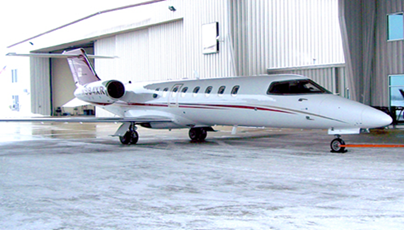
k. Aircraft
Business operations (exposures such
as international dealings or hazardous materials) may require special review. Bodily
injury or property damage arising out of any of the following:
·
Owning, maintaining, using, occupying, renting,
operating, loaning, entrusting, supervising, loading, or unloading any aircraft
owned or operated by, or rented or loaned to, any insured.
·
The insured’s negligence or wrongdoing on its part
in supervising, hiring, or training others if the bodily injury or property
damage arises from any of the activities above.
|
|
Example:
Priority
Plants manages flower farms across Florida, Alabama, and Georgia. To
facilitate monthly visits, they purchased an aircraft. When not used for
monthly visits, employees can rent the plane. However, the aircraft is
poorly maintained, leading to an employee injury during an emergency landing.
Insurance coverage does not cover this injury. |
This exclusion does not
apply to the following:
·
Liability
assumed under any insured contract applying to ownership, maintenance, or use
of aircraft.
·
Aircraft
with a paid crew can be loaned to or chartered/hired by the named insured. No
insured may hold ownership of the aircraft.
·
If
the underlying aircraft liability insurance covers these exposures or would
have, had the limits not been exhausted, this coverage adheres to the same
terms, exclusions, and limitations as the underlying aircraft insurance unless
stated otherwise.
Related Article: Aircraft Insurance Coverage Analysis
l. Watercraft
Bodily injury or property damage arising from the following:
·
Owning, maintaining, using, occupying, renting,
operating, loaning, entrusting, supervising, loading, or unloading any
watercraft which is owned, operated by, rented, or loaned to any insured.
·
The insured’s negligence or misconduct in
supervising, hiring, or training others if the bodily injury or property damage
arises from any of the activities listed above.
|
Example: A watercraft the insured owns and rents to its
employees for pleasure use is not properly maintained, and an employee is
injured when the watercraft sinks. Coverage does not apply to the injury. |
This exclusion does not
apply to the following:
·
Liability
assumed under any insured contract that applies to owning, maintaining, or
using watercraft
·
Watercraft ashore at the named insured's owned,
rented, or controlled locations
·
Watercraft that the named insured does not own that
is/are less than 50 feet long and is/are not used to transport people or
property for a fee
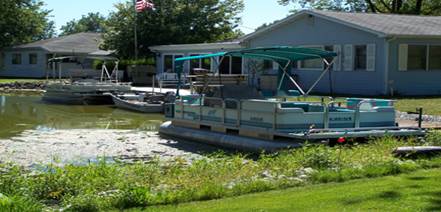
|
Example:
Bobby and
Bubba of B & B's Barbecue rent a large pontoon boat for an afternoon
sales event. They prepare a hearty
barbecue on a sizable charcoal grill. The grill ignites a fire, prompting
guests to scatter. The shift causes the boat
to tilt, resulting in several guests falling overboard and sustaining
injuries. Coverage applies because the boat was not owned, was less than 50
feet long, and no charge was made for transporting the guests. |
·
If
underlying watercraft liability insurance covered or would have covered these
exposures (except that its limits were exhausted), this coverage would follow the
underlying watercraft insurance's terms, exclusions, and limitations unless
stated otherwise.
m. Liquor
Bodily
injury or property damage in which any insured may be liable because of any of
the following:
·
Causing or contributing to any person becoming
intoxicated.
·
Furnishing alcoholic beverages to a person who is
either under the legal drinking age or is already intoxicated.
·
Any law relating to selling, giving, distributing,
or using alcoholic beverages.
This
exclusion does not apply if the named insured is not in the business of
manufacturing, distributing, selling, serving, or furnishing alcoholic
beverages.
|
Example: Denny's Dental
Distributors holds a formal company Christmas party
and serves alcoholic beverages without requesting payment. Coverage applies
if bodily injury or property damage occurs as a result of Denny’s guests
consuming alcoholic beverages. |
On the other hand, consider the
following:
|
Example: Ace Liquor and Wine
Distributors sponsors a fundraiser for a local art museum by holding a
wine tasting event. Ace serves food and wine to everyone who contributed to
the museum. An attendee who was served several alcoholic beverages was
injured on the trip home from the event. There is no coverage if Ace is sued
for contributing to the attendee's intoxication because Ace is in the
business of distributing alcoholic beverages. |
However, this exclusion
does not apply if underlying liquor liability insurance is in place or would
have covered these exposures, except that its limits have been exhausted. This
coverage follows the underlying liquor liability insurance's terms, exclusions,
and limitations unless stated otherwise.
Related Court Cases:
Liquor Liability Exclusion
Held Applicable to Nonprofit VFW
Liquor Liability Suit Based on
Failure to Restrain Patron Did Not Circumvent Exclusion
CGL Policy's Liquor Exclusion Inapplicable to Sales during
Festival
n. Employers Liability
Bodily injury to any of the following:
·
An employee of the insured when that bodily injury
is the result of their employment by the insured or is due to that employee
performing duties in conjunction with conducting the insured’s business
·
The spouse, children, parents, brothers, or sisters
of an employee injured as described above, whose bodily injury is a consequence
of that employee's bodily injury
This exclusion applies whether the insured is liable as an employer or
in any other capacity. It also applies if the insured must share damages with
or repay someone else who must pay damages because of the injury.
NOTE: This clarification is especially important due to the
increased use of contractors, subcontractors, independent contractors, or
leased employees and the uncertainty about who is responsible for injuries to
them.
This exclusion does not apply to the following:
·
If
the underlying employers' liability insurance covers or would have covered
these exposures except for exhaustion of its limits, this coverage follows the
terms, exclusions, and limitations of the underlying employers' liability
insurance unless stated otherwise.
·
Bodily
injury a domestic employee sustains is covered only if it results from a
covered auto. This coverage applies when the domestic employee cannot claim
workers compensation benefits. Domestic employees are those employed by the
insured to perform domestic or household tasks related to the use or care of the
residence premises.
·
Liability the insured assumes under a covered
contract.
NOTE: Monopolistic states requiring or offering
workers compensation coverage do not include employer’s liability coverage.
This may create a notable gap in protection.
Related Articles:
Workers Compensation Monopolistic State Funds
Stop Gap–Employer’s Liability
Coverage
o.
Professional
Services
Bodily injury and property damage
due to providing or failing to provide any professional service.
p. Employers-Related Practices
Bodily injury due to any of the
following:
·
Refusing
to employ a person or terminating that employee's employment. It also does not
apply to on-the-job practices, acts, policies, or omissions related to
employment directed towards the person, such as, but not limited to, sexual
misconduct, coercion, discipline, defamation, malicious prosecution, demotion,
humiliation, reassignment, evaluation, harassment, and discrimination.
NOTE: Malicious prosecution
is specifically included in this exclusion because the court in Peterborough
Oil Company, Inc. v. Great American Insurance refused to exclude malicious
prosecution as an employment-related practice. The court reasoned that if the
insurance company did not intend to cover malicious prosecution, it should have
listed it. The court determined that this exclusion must be read narrowly, so
even with the term “such as” preceding the list, only the items actually listed
could be excluded.
·
Bodily
injury to the person's family member as a consequence of the bodily injury to
the person due to actions described above.
This exclusion applies
even if the injury occurred before the person became an employee or after the
person's termination.
NOTE: This last paragraph is
in response to Owners Insurance Company v. Clayton South Carolina Supreme Court
where the insurance company was required to pay for damages to a terminated
employee who was slandered after the employer terminated her employment.
This entire exclusion
applies whether the insured is liable as an employer or in any other capacity,
or if it must share damages with or repay someone else who must pay damages due
to the injury.
q. Fellow Employee
An employee's liability
for bodily injury due to the following:
·
A
fellow employee's injury caused by an auto applies only if the injury arises
from and is in their employment or while performing duties related to the
insured's business.
|
Example:
Mindy and Paul are employees at Cini's
Pizza and Pasta. Cini's offers both dine-in service and delivery. Scenario
1: While returning from a delivery, Mindy
hits Paul, a fellow worker who is walking across the parking lot, to dump
trash into the receptacle. There is no coverage. Scenario 2: While returning from a delivery, Mindy hits Paul,
who just dropped by Cini's to pick up a pizza for his family. There is
coverage because Paul is not in the course of his employment at the time of
the accident. |
·
Bodily
injury to a fellow employee's family member resulting from the bodily injury to
that employee.
r. Racing or Stunt Activities
Bodily injury or property damage
due to using autos, mobile equipment, or recreational vehicles in, or to
practice or prepare for, organized or pre-arranged racing, speed, pulling,
pushing, or stunt activities or contests.
s.
Property
Damage to Insured’s Property
Damage to property owned, rented, or occupied
by the named insured is not covered. Additionally, any costs for repairing,
replacing, retrofitting, or maintaining such property, along with expenses to
prevent injury or damage to others' property, are also excluded.
|
Example: Calculatin' Computerz experiences a
sudden surge in its business and rents warehouse space from a nearby
business. Soon after, a new employee accidentally hits a load-bearing column
in the warehouse with a forklift, leading to the building's collapse. City
authorities shut down the facility for three weeks to repair the structural
damage. The damage to the building is not covered because the warehouse was
managed and rented by Calculatin' Computerz. |
t. Transportation
Property damage to
property the insured transports or owns arising out of owning, using, or
maintaining covered autos. This exclusion does not affect liability assumed
under a sidetrack agreement.
u. Property Sold, Abandoned, Parted
Property damage to premises the
named insured sold, gave away, or abandoned if the damage is related to any
part of those premises. This exclusion does not apply to premises that are the
insured's work and which it has never occupied, rented, or held for rental.
v. Loaned Property
Damage to property loaned to the
insured is excluded, except for liability accepted through a written trailer
interchange or sidetrack agreement.
w. Care, Custody, or Control
Property damage to personal
property in the insured's care, custody, or control is excluded; however, this
exclusion does not apply to liability assumed under a written trailer
interchange or sidetrack agreement.
x. Insured’s Work
Property damage to a specific
part of real property the insured works on, if caused by that work. This
exclusion also applies if a contractor or subcontractor working on behalf of
the insured performs the work. However, it does not affect liability assumed
under a sidetrack agreement.
y. Faulty Work
Property
damage affecting a specific part of any property needing to be restored,
repaired, or replaced due to faults in the named insured's work. This exclusion
does not apply to property damage covered by the products/completed work hazard
or liability taken on under a sidetrack agreement.
z. Products
Property damage to products arising from the
product or its parts
|
Example: Grillz-r-us
manufactures gas grills and fuel tanks. Hector buys a Grillz-r-us grill and
uses it frequently throughout the summer. One day, the grill malfunctions due
to a faulty temperature control, melts down, and causes a fire. The grill's fuel tank explodes, causing damage to
part of the deck and a house wall, and seriously injuring Hector, who was
nearby. While Grillz-r-us's umbrella liability coverage covers the bodily
injury and property damage, it does not cover the destruction of the grill
itself. NOTE: Grillz-r-us may pursue
legal action against the temperature control unit supplier if it is found to
have contributed to the malfunction. |
aa. Products/Completed Work Hazard
Property damage to the named insured's work resulting from that work and
classified as part of the products/completed work hazard. Damage caused by a
subcontractor working on the insured's behalf is an exception to this
exclusion.
bb. Performance or Contract Delay
Property damage not
involving physical injury, destruction, or impairment occurs when the insured
or an authorized party fails to fulfill or delays fulfilling a contract. It is
also excluded if caused by defects, deficiencies, inadequacies, or unsafe conditions
in the insured's work or products.
NOTE: Property
damage encompasses loss of use even if there's no physical harm to the
property. Consequently, this exclusion indicates that loss of use caused by the
insured’s work preventing an item from being used will not be covered.
This exclusion does not apply to loss of
use of other property resulting from sudden and accidental physical injury or
destruction of the named insured's work or products after they are put to their
intended use.
|
Example: Select Switches
manufactures a switch sold to another company, which uses it as a component
in its product. If the switch is defective and causes the product to
malfunction, the product is considered impaired but not damaged. The downtime
resulting from the product not functioning is excluded from the impairment. |
cc. Loss of Use
Any loss, expense,
or cost incurred by the named insured or others due to the loss of use,
disposal, withdrawal, recall, inspection, repair, replacement, adjustment, or
removal of the insured's work, products, or impaired property. Expenses related
to withdrawals or recalls are also excluded. This exclusion applies if the
insured's work, products, or impaired property are withdrawn or recalled from
the market or use due to known or suspected defects, deficiencies, or unsafe
conditions.
|
|
Example:
Titanic Tires
manufactures automobile tires. The
tires develop problems that require immediate recall and replacement. None of
the recall expenses are covered. |
dd. Personal and Advertising Injury
Any bodily injury arising from
personal and advertising injury.
NOTE: Bodily injury arising from personal and advertising
injury is covered under Coverage P–Personal and Advertising Injury Liability.
ee. Electronic Data
Any damages, expenses, costs, or
losses arising from loss of, loss of use of, damage to, corruption of,
inability to access, change, or manipulate electronic data records.
If underlying insurance
covers or would have covered these exposures except that its limits were exhausted,
this coverage follows the underlying insurance's terms, exclusions, and
limitations unless stated otherwise.
NOTE: Electronic data is usually defined as information,
facts, or programs used with computer software or any other media used with
electronically controlled equipment.
ff. Communication Laws or Regulations
Bodily injury or property damage arising directly or
indirectly from any type of actual or alleged violations of any of the
following and similar state or local laws or regulations:
·
The Telephone Consumer Protection Act (TCPA),
including its amendments or additions
·
The CAN-SPAM Act of 2003, including its amendments
or additions
·
The Fair Credit Reporting Act (FCRA), the Fair and
Accurate Credit Transaction Act (FACTA), and any of their amendments or
additions
·
Any other local, state, or federal statute,
ordinance, or regulation related to the sending, collecting, disposing of,
recording, printing, transmitting, communicating, or distributing material or
information.
gg. Lead
Bodily injury or
property damage related in any way to any aspect of lead
hh. Silica
Bodily injury or
property damage related in any way to any aspect of silica
ii. Asbestos
Bodily injury or
property damage related in any way to any aspect of asbestos
NOTE: The lead, silica, and
asbestos exclusions apply even if the underlying coverage form or policy
provides coverage.
COVERAGE P–PERSONAL AND ADVERTISING INJURY LIABILITY
1. Insuring Agreement
a. The insurance company covers sums the insured is legally required to pay in excess of the policy’s retained limits. These sums cover damages related to Coverage P – Personal and Advertising Injury, as detailed in this Insuring Agreement.
The company also has
the right and duty to defend the insured against claims or suits seeking
damages for personal and advertising injury under this Insuring Agreement in
the following circumstances:
·
The
underlying coverage does not apply.
·
The
underlying limits are exhausted by paying judgments, settlements, or claims.
The company may not be
obligated to provide a defense; however, it retains the right to defend or
engage with any underlying carrier or the insured in defending lawsuits against
the insured for damages covered by this insurance. There is no obligation to
defend the insured against lawsuits for damages not covered by this insurance
policy.
b.
The insurance company also has the option to investigate
any incidents covered by the policy and settle claims or lawsuits which fall
under its duty to defend. How Much We Pay describes the amounts the company
pays as damages.
c.
The company is not obligated to defend once it has paid
amounts up to the limit specified by written settlements it agrees to or
judgments. Aside from Supplemental Payments provisions, it is not required to
offer support, assistance, or pay any additional amounts.
d.
Coverage applies to only personal and advertising injury if
the offense:
·
Was
committed during this insurance’s policy period
·
Took
place in the coverage territory
2. Exclusions
The insurance company
is not obliged to pay for the following:
a. Pollution – Personal and Advertising Injury
Personal and advertising injury arising
at any time from the actual, alleged, or threatened discharge, dispersal,
seepage, migration, release, or escape of pollutants.
b. Pollution - Abatement
Any loss, cost, or expense arising
from either of the following:
·
Any
request, demand, order, or legal requirement for an insured or others to test
for, clean up, treat, respond to, or assess the effects of pollutants in any
manner.
·
Any
claim or lawsuit filed by or on behalf of a government authority related to
testing, cleanup, treatment, response to, or assessment of pollutants.
NOTE: Language regarding
personal injury liability coverage in earlier editions led to numerous efforts
to include different pollution-related losses. These were often described as trespassing,
wrongful entry, or invasion of the right to private occupancy. However,
personal and advertising injury liability coverage was never meant to cover
pollution damages or cleanup expenses. This exclusion clearly states that there
is no coverage for pollution exposures stemming from the personal and
advertising injury provisions in this policy.
c. War
Personal and advertising injuries
resulting directly or indirectly from acts of war, including undeclared and
civil war, are excluded. This encompasses military operations and extends to
government actions aimed at preventing or responding to anticipated or actual
attacks by any government or authority using military forces or agents.
Furthermore, it covers injuries caused by rebellion, revolution, insurrection,
usurpation of power, or any actions taken by government authorities to obstruct
or defend against such events.
d. Professional Services
Liability for personal and
advertising injury arising from providing or neglecting to provide professional
services.
e. Employment Related Practices
Bodily injury or personal and
advertising injury to a person due to any of the following:
·
Refusing to
employ a person or terminating that employee's employment.
·
On-the-job
practices, acts, policies, or omissions related to employment—including sexual
misconduct, coercion, discipline, defamation, malicious prosecution, demotion,
reassignment, humiliation, evaluation, harassment, discrimination, or any
omissions directed at that person.
·
Consequential damage to a person’s family
members resulting from injuries sustained by that individual, as described
above.
·
This
exclusion is applicable whether the injury occurred before the person became an
employee, during their employment, or after they were terminated.
·
The
exclusion applies regardless of whether the insured is liable as an employer or
in any other role, and whether they must share or repay damages caused by the
injury.
f. Intentional Acts
|
Example: Questioning Quinn, a
journalist for Movie Monthly, covers stories about movie stars. Despite Suzie
Starlett having obtained a restraining order against Quinn, Movie Monthly
pressures Quinn to secure the story, no matter what the consequences. If
Suzie decides to sue Movie Monthly for violating the restraining order, it
would not be covered by the insurance policy. |
g. Criminal Acts
Personal and
advertising injury arising out of a criminal act the insured commits or directs.
|
Example: Bob Breakingnews fails to
obtain details of an incident for a story. The
Nose For News Gazette tells Bob to break into a building and copy the
confidential files containing the details needed to run the story. There is
no coverage if the break-in is discovered and the Gazette is sued. However,
if Bob broke in without the Gazette's knowledge, coverage would apply to the
Gazette but not to Bob. |
h. Liable and Slander
Personal and
advertising injury due to either of the following:
·
When
personal and advertising injury arises from material published by or at the
insured's direction, which the insured knew was false.
|
Example: An article in the
Tumbleweeds Truth reports a well-known politician's son was detained for
driving under the influence. However, at the time of publication, the Truth
knew it was merely a traffic stop, and the entire article was a fabrication. There
will be no coverage if the politician’s son chooses to sue the newspaper. |
·
When
personal and advertising injury arises from oral or written publication of
material first beginning before the coverage inception date.
|
Example: This coverage is
effective 01/01/2025. The official date
of a publication is 01/02/2025, but an advance copy was released on 12/28/2024.
Since the first publication took place before the 01/01/2025 effective date,
there is no coverage if a suit is filed seeking damages for personal and
advertising injury. |
In both circumstances above, the publication
can be either oral or written.
i. Breach of Contract
Personal and advertising injury
arising out of breach of contract is excluded. However, this exclusion does not
apply if there is an implied contract to use another party's advertising idea
in the named insured's advertisement.
|
Example: Johnny On The Spot Printing was contracted to design, print, and
mail a promotional brochure for Brad's Bowling Bonanza. This project was
time-sensitive. Unfortunately, Johnny failed to meet the mailing deadline by
several days. As a result, Brad sued for breach of contract, but there was no
coverage for the incident. |
j. Goods, Products, Services
Personal
and advertising injury arising from the named insured's goods, products, or services,
not meeting the quality or performance claims made in its advertisements.
|
Example: Ollie Overweight sues FatOut because its weight loss product
guaranteed weight loss, but Ollie gained weight instead. Coverage does not
apply in this case. |
k. In the Business of Media
This coverage does not include
personal and advertising injury caused by an offense committed by an insured in
advertising, broadcasting, publishing, or telecasting. Additionally, there is
no coverage if the insured’s business creates or determines website content for
others or provides internet search, access, content, or services.
However, this exclusion does not
cover parts of the personal and advertising injury definitions that involve
false arrest, detention, imprisonment, or malicious prosecution. It also
excludes activities related to landlords, such as wrongful eviction, entry, or invasion
of private property. An insured who only advertises using frames, borders, or
links online is not classified as engaging in advertising, broadcasting,
publishing, or telecasting as a business.
l. Incorrect Descriptions
Personal and
advertising injury arising from inaccurate descriptions of goods, products, or
services as stated in the named insured's advertisement.
|
Example: Beulah's Bundled Ads is
suing Cain’t Get It Right News for lost revenue due to the paper incorrectly
placing the decimal point in the sale price of a product in an advertisement.
This loss is excluded. |
m. Agreement or Contract Assumption
The insured assumes
personal and advertising injury liability through an agreement or contract, but
coverage also exists for liability the insured incurs without a contract or
agreement.
n. Infringement of Property Rights
Personal
and advertising injury is excluded when arising out of any infringement of
copyright, patent, trademark, trade secret, or other intellectual property
rights.
NOTE: Personal and
advertising injury is excluded when arising out of any infringement of
copyright, patent, trademark, trade secret, or other intellectual property
rights.
However, this exclusion does not apply to the
following:
·
When
the named insured's advertisement infringes on copyright, trade dress, or
slogan
·
When
the use of another party’s advertising idea in the named insured’s
advertisement is considered infringement of intellectual property rights
Related
Court Case:
Insurer is Obligated to Defend Copyright Infringement Claim
o. Social Media
Personal
and advertising injury arising out of an electronic chatroom, bulletin board,
blogs, or social networking sites, but only those which the insured owns,
hosts, or controls.
p. Misleading Potential Customers
Personal and advertising injury arising out of
the named insured's efforts to deceive customers or potential customers online.
This exclusion applies if the deception involves unauthorized use of someone
else's name or product in the insured's email, domain, or metatag.
q. Communication Laws or Regulations
Personal and advertising injury arising directly or indirectly by any
violations, whether actual or alleged, of any of the following and similar
state or local laws or regulations.
- The Telephone Consumer Protection Act (TCPA),
including its amendments or additions
- The CAN-SPAM Act of 2003, including its
amendments or additions
- The Fair Credit Reporting Act (FCRA), the Fair
and Accurate Credit Transaction Act (FACTA), and any of their amendments
or additions
- Any other local, state, or federal statute,
ordinance, or regulation pertaining in any way to sending, collecting,
disposing of, recording, printing, transmitting, communicating, or
distributing material or information.
r. Lead
Personal
and advertising injury related in any way to any aspect of lead
s. Silica
Personal and
advertising injury related in any way to any aspect of silica
t. Asbestos
Personal and
advertising injury related in any way to any aspect of asbestos
SUPPLEMENTAL PAYMENTS
1. Payments
When the insurance company has the duty to
defend, it covers all costs associated with investigating, settling claims, or
defending lawsuits.
·
Court costs of a suit in which the court rules are
the insured's responsibility. This item does not include attorney fees or
expenses.
·
All expenses the insurance company incurs.
·
Reasonable expenses the insured incurs at the
insurance company's request to assist in investigating or defending a claim or
suit. This also covers up to $250 per day in lost wages if the insured has to
be away from work.
NOTE: These can be very
costly to the insured, especially when a court assesses the proceeding's costs
and expenses against the negligent party.
·
Prejudgment interest is
awarded by the court but applies only to the portion of the judgment covered by
the insurance company. The insurance company does not pay prejudgment interest
that accrues after it has paid its full limits.
·
Interest that accrues on the full judgment amount
after it is entered, but before the insurance company either pays, offers
payment, or deposits its share with the court, not exceeding the insurance
limits.
·
Cost of appeal bonds or bonds to release
attachments is limited to the insurance coverage applicable to the bond amount.
The insurance company is not obligated to apply for or provide the bonds.
NOTE: The cost of the excess amount of the bond is the
insured’s expense.
·
Bail bond costs are covered only if they arise from
an incident this policy covers, with a maximum of $2,000. The insurance company
is not obligated to apply for or provide the bonds.
2. Additional Limits
Payments made under this section are in addition to the policy’s limits
of insurance.
NOTE: This provision is important because these expenses can be substantial
and could reduce the available limits if they were included in the insurance
limits that apply.
3. Expenses
In some cases, the
insurance company has the right to defend the insured and can choose to
participate in the defense, but it is not obligated to do so. When it exercises
this right, it covers its own expenses but does not contribute to the costs of
the insured or the underlying carrier.
4. Indemnitees
The insurance company
may be called upon to defend the insured against a suit where the insured's
indemnitee is also named in the suit. In that case, the company does the
following:
·
Defends
the indemnitee
·
Pays
attorney fees it incurs to defend that indemnitee
·
Pays
the necessary litigation expenses it incurs
·
Pays
necessary litigation expenses the indemnitee incurs at its request
Additionally, the
actions and payments above are subject to all of the following conditions:
·
The suit against the indemnitee must pursue damages
in which the insured agreed to assume liability in an insured contract or
agreement.
·
This policy’s insurance must apply to the liability
the insured assumed.
·
The insured must have assumed the obligation to
defend or cover the defense costs within the same insurance contract or
agreement.
·
Based on what the insurance company knows about the
occurrence and the allegations in the lawsuit, there should be no evident
conflict between the interests of the insured and the indemnitee.
·
Both the insured and the indemnitee need to request
the insurance company to manage the defense for the indemnitee in the lawsuit
and must agree to have the same legal representative representing both parties'
interests.
·
The indemnitee must agree to do all of the
following:
o
Cooperate with the insurance company during the
time it investigates, defends, or settles the suit.
o
Promptly send the company copies of any demands,
notices, summonses, or legal documents it receives related to the suit.
o
Notify any other insurance company that has
coverage which may be available to the indemnitee.
o
Cooperate with the insurance company to coordinate
such other insurance.
o
Provide the insurance company with written
authorization to obtain records related to the suit.
o
Give the insurance company other information
related to the suit.
- Give the insurance company written authorization to conduct and
control the indemnitee's defense in the suit.
These payments are not considered damages for bodily injury or property
damage if the insured meets the following conditions. As a result, they do not
reduce the limits available to pay losses. This voids the provisions of
Coverage L's exclusion 2. b. 2). agreeing to pay such expenses but only as
damages.
The insurance company's obligation to defend the indemnitee ends when it
exhausts the applicable insurance limit by paying judgments or settlements, or
when these conditions and agreements are not met.
WHAT MUST BE DONE IN CASE OF LOSS
1. Cooperation
The named insured must
cooperate with the underlying insurance companies and comply with all the terms
and conditions of the underlying policies. All insureds involved in a loss must
cooperate with the insurance company as it investigates and settles claims or
defends suits.
2. Notice
The named insured must notify its insurance company as soon as
practicable if there is an occurrence or offense that might be covered. The
same requirement applies if an insured becomes aware of anything that might
become a claim under this coverage.
The notice must include certain information, such as the name of the
insured and the policy number, as well as the time, place, and circumstances of
the occurrence or offense. Additionally, the named insured must provide the
names and addresses of all known and potential claimants and witnesses.
3. Voluntary Payments
Volunteer payments cannot be made, assumed, or obligations or costs
assumed by any insured except at its own expense.
4. Other Duties
The named insured has additional
duties if an occurrence or offense might lead to a claim. It must send the insurance company copies of all legal papers, demands,
and notices on a timely basis. When requested, it must also cooperate with and help
the insurance company do all of the following:
·
Enforce the insurance company's rights of recovery
against all parties that may be liable to an insured for the injury or damage.
·
Obtain and give evidence.
·
Make arrangements for all witnesses to attend.
HOW MUCH WE PAY
1. Limits
The most paid
for all damages are the limits on the declarations. This is regardless of the
number of insureds, persons, or organizations that sustain injury or damage,
claims made or suits brought, or vehicles or watercraft involved in an
accident.
|
Example: Ashland Jewelers is a partnership. A customer sues
Ashland Jewelers after discovering the diamond in her engagement ring is an
imitation. The angered bride-to-be also files separate actions against the
partners individually. Each partner sends their copy of the notice of the
suit to the insurance company. The claims adjuster informs them the limit of
insurance available to respond to the lawsuit is the each occurrence limit. |
2. Aggregate Limit
The Aggregate Limit is the most paid for the total of all damages under
Coverages L and P. The exception is that it does not apply to damages for
bodily injury or property damage arising out of owning, maintaining, using,
loading, or unloading covered autos.
3. Each Occurrence Limit
The Each Occurrence Limit is subject to the Aggregate Limit. It is the
most paid for the total of all damages under Coverage L due to bodily injury or
property damage arising from any one occurrence.
4. Personal and Advertising Injury Limit
The Personal and Advertising Injury Limit is subject to the Aggregate
Limit. It is the most paid for the total of all damages under Coverage P due to
personal and advertising injury that any one person or organization sustains.
5. Non-concurrent Underlying Insurance
Underlying insurance may not be concurrent with this policy’s policy
period. In that case, only claims for occurrences or offenses that are covered
by the underlying insurance and take place during this insurance's policy
period are considered to determine the extent to which any aggregate limit in
the underlying insurance is reduced or exhausted.
The available limits of underlying insurance written on a claims-made
basis are reduced or exhausted by only claims made during the policy period or
any applicable extended reporting period.
6. Application of Aggregate Limit
The Aggregate Limit
applies separately to each 12 consecutive month period. This begins with the
inception date on the declarations. It also applies separately to any remaining policy period of less than 12 months. If the policy is
extended after it is written, the additional period is treated as part of the
most recent preceding period when determining limits.
CONDITIONS
1. Appeals
The insurance company
may appeal a judgment exceeding the underlying limit if the underlying carrier
does not appeal. If it does, it is liable for the expenses it incurs in
conjunction with the appeal. This is in addition to its limit.
NOTE: This condition allows
the umbrella carrier to protect its interest. There are situations when an
underlying insurance company or a self-insured decides not to appeal a
judgment. If the judgment exceeds the umbrella’s retained limit, the umbrella
carrier can make the appeal at its own expense. This is crucial in situations
where the underlying carrier believes the verdict will exceed its limits and
chooses not to invest additional time and money in a lost cause.
2. Assignment
Assigning the policy
requires the insurance company's approval and written consent.
3. Bankruptcy of an Insured
The insurance company is still obligated and is not relieved of any of
its obligations if an insured declares bankruptcy or becomes insolvent.
NOTE: This means the umbrella
continues as though the insured is still solvent.
4. Bankruptcy of Underlying Insurer
Umbrella coverage does
not replace the underlying insurance if the underlying carrier is bankrupt or
insolvent. It remains in effect as if the underlying insurance were still in
effect.
5. Cancellation and Nonrenewal
This condition refers
to the state-specific endorsement listed on the declarations.
6. Change, Modification, or Waiver of Policy Terms
Waivers or changes to
the policy's terms are valid only when the insurance company agrees to them in
writing.
7. Conformity with Statute
Any terms in the policy
that conflict with laws in the state where the policy is issued are amended to
conform to those laws.
8. Examination of Books and Records
The insurance company
is permitted to examine any part of the named insured's books and records
related to the coverage provided by this policy during the policy period and
for up to three years after coverage ends.
9. Inspections
The insurance company
or others acting on its behalf may inspect the named insured's property and
operations at any time. However, it is not obligated to do so. Such inspections
and any recommendations resulting from the report are intended only for the
company's benefit. They do not guarantee that the named insured's property or
operations are safe, healthy, or in compliance with any laws, rules, or
regulations.
10. Knowledge of Bodily Injury or Property Damage
This is determined to
have occurred at the earliest of the following when any designated insured:
·
Receives
a suit, claim, or demand for damages alleging bodily injury or property damage.
·
Reports
the bodily injury or property damage to the insurance company or any other carrier.
·
Become
aware of anything suggesting that bodily injury or property damage has occurred
or is occurring.
NOTE: This condition is very important because
it determines which insurance policy must respond. The Insuring Agreement for
Coverage L covers only bodily injury and property damage that was first known
to a designated insured after the policy inception date.
11. Legal Action against Us
The insurance company cannot be sued unless all policy terms are met,
and the amount of an insured's liability is determined by a final judgment in a
trial or by a written agreement between the insured, the party that brings the
claim for damages, and the insurance company.
There is no coverage for any injury or damage that this policy excludes
or that exceeds the limit applicable.
No party has the right to join or implead the insurance company in any
action brought to determine an insured's liability.
NOTE: The insurance company
may be sued to recover an agreed settlement or final judgment against an
insured. However, it is not liable for damages that the policy does not insure
or exceeds the applicable insurance limit.
An agreed settlement is
a settlement and release of liability agreement signed by the company, the
insured, and the claimant or its legal representative.
12. Maintenance of Underlying Insurance
The following conditions apply to
the underlying insurance:
·
The
named insured must maintain and keep all underlying insurance in effect during
this policy's term.
·
If
the underlying insurance is not properly maintained for any reason, this policy
responds as if the required underlying insurance is still in force.
·
Cancellations,
non-renewals, or material changes in underlying coverage or limits must be
reported to the insurance company immediately.
·
The
insurance company’s liability will not exceed what it would have been if the
underlying insurance had remained active or with the original limits and
coverage.
Payments for judgments,
settlements, or expenses for occurrences or offenses during the policy period that
reduce or deplete any aggregate limit in the underlying coverage are not the
same as failing to maintain such underlying insurance.
Additionally, any
statement in this condition does not limit the insurance company's right to
cancel or non-renew.
Related Article: Maintaining
Underlying Limits
Related Court Case: Agency's
Inaction Results in Gap between Primary and Umbrella
13. Misrepresentation, Concealment or Fraud
This insurance becomes void if the named insured or any other insured
has done any of the following at any time:
·
Intentionally concealed or misrepresented a material fact or situation
that relates to this insurance, to the subject of this insurance, or the
insured's interest in it
·
Engaged in fraud or false swearing concerning any matter relating to this
insurance or its subject matter
NOTE: This condition
clarifies that the named insured agrees the information on the declarations is
both accurate and complete when they accept the coverage issued. It also
affirms the information is based on representations it made to the insurance
company in the application, and the company relied on that information when it
issued the policy.
14. Subrogation
If the insurance company pays under this policy, it may require the
insured to assign their rights of recovery against third parties that may have
caused the loss to the company. The company is not obligated to make any
payments if any insured impairs or otherwise affects those rights. However, an
insured may waive its rights of recovery against a third party in writing prior
to a loss occurring.
NOTE: Once the insurance
company pays under this insurance, any rights an insured has to recover any
payments from others responsible for causing the loss transfer to the company.
An insured must not jeopardize those rights. In addition, if the insurance
company requests, the named insured may be required to assist in bringing a
suit, transferring those rights, or helping to enforce them.
|
Example:
The massive chandelier in the atrium of
the Felix Office building crashed to the floor. Thankfully, nobody was killed,
but 30 people sustained significant injuries. Felix’s primary and umbrella
carriers responded to the claims and lawsuits. Their investigation aimed to
determine the cause of the chandelier's fall. They discovered that Mayberry Enterprises, the
prior owner, had withheld critical information regarding the chandelier’s
stability and its attachments and had provided false information in its
disclosure notice. Felix has rights of recovery against Mayberry, but the
carriers who pay the losses assume those rights and sue Mayberry Enterprises
instead of Felix. |
15. Transfer of Defense
- Once the
underlying carrier pays its limits in judgments or settlements, the
obligation to defend transfers to the umbrella carrier.
- The umbrella
carrier agrees to cooperate in transferring control of any unresolved
claims or lawsuits to them.
16. Separate Insureds
Apart from the limits specified under How Much We Pay, the insurance
coverage applies to each insured who is sued or against whom a claim is filed.
17. Premium
All
premiums are determined based on the insurance company's rules and rates.
The
premium on the declarations may be a deposit premium. If this is the case, the
insurance company calculates the actual earned premium for each audit period
and bills the named insured for any additional premium due.
The
premium billed must be paid by the due date on the billing notice. If the
deposit premium exceeds the audited earned premium, the insurance company will
refund the difference to the named insured.
The
named insured must maintain records and information needed by the insurance
company to calculate the premium. They must send the company copies of these
records and information when requested.
18. Insurance under More than One Policy
This insurance
is excess coverage over any other insurance. It only contributes when a policy
is explicitly written as excess over this insurance.
|
Example:
Pilgrim's
Pressure Cookers manufactures
pressure cookers. It has the following insurance: Company A:
Commercial Liability Coverage Form with a $1,000,000 Aggregate Limit Company B:
Umbrella Liability Policy with a $1,000,000 Aggregate Limit Company C:
Excess Layer with a $2,000,000 Aggregate Limit A Pilgrim's sales representative is demonstrating
the company's new line of pressure cookers at a consumer fair when one of
them explodes. The claims for damages and injuries total $4,000,000. In this case: ·
Company B does not
respond to the loss until Company A pays its obligations. ·
Company B responds
before Company C because Company C's coverage is a second layer of excess
insurance protection. |
The umbrella carrier is
not obligated to defend against a suit if another carrier has that obligation.
However, it will defend if no other carrier does. It then becomes entitled to
the insured's rights against those carriers.
This insurance pays only its share of the ultimate net loss. That is the amount that exceeds
the amounts any other primary sources of coverage owe, including any
deductibles and/or self-insured retentions.
19. Loss Payable
The insurance company
does not pay until and unless the insured or its underlying carrier pays the
retained limit. The insured's obligation to pay part of the final loss must
have been determined by a final settlement or judgment after litigation or by a
written agreement between the company, the claimant, and the insured.
20. Extended Coverage Territory
- A suit may be
brought in a country where the insurance company is not allowed to defend
the insured. In that case, it reimburses the insured for any defense costs
and other necessary expenses incurred that would have been its responsibility
if it could have defended. These payments are made as Supplementary
Payments to the extent that this policy applies and are not part of the
limit.
- If a claimant is
awarded damages covered by this insurance at a location outside the
coverage territory, the company reimburses the insured for amounts it
paid.
- Payments or
reimbursements are in United States currency. The rate of exchange for
damages paid is based on the exchange rate at the time the insured became
obligated to pay the damages. The exchange rate for all such expenses
under Supplementary Payments expenses is based on the date the insured
incurs the expenses.
- Disputes between
the named insured and the insurance company about the coverage provided
must be filed in courts in the United States, its territories and
possessions, Canada, or Puerto Rico.
- The named insured
must carry and maintain any coverage any governmental authority requires
throughout the policy period. Not doing so does not invalidate this
insurance, but it applies as though the required coverage were in place.
This requirement does
not apply to any reduction in limits that may occur due to payments of
settlements, judgments, or expenses arising from covered occurrences or
offenses. These are not failures to maintain the required coverage.
NUCLEAR ENERGY LIABILITY EXCLUSION
1. Exclusion
This insurance does not
apply to bodily injury or property damage under any liability coverage as
follows:
·
Where
an insured under this policy is also an insured (or would be an insured under
any such policy except that it ended because its limit was used up) under a
Nuclear Energy Liability policy issued by any of the following:
- Nuclear Energy
Liability Insurance Association
- Mutual Insurance
Association
- Mutual Atomic
Energy Liability Underwriters
- Nuclear Insurance
Association of Canada
- Any of their
successors
·
That
results from the hazardous properties of nuclear material and in cases where
any person or organization must maintain financial protection in accordance
with the Atomic Energy Act of 1954 or any amendatory law. This also includes
cases where the insured is entitled to indemnity from the United States of
America or any of its agencies under any agreement it enters into with any
person or organization. This exclusion applies even if the entitlement was
nullified in any way by the issuance of this policy.
This insurance also
does not apply under any liability coverage to bodily injury or property damage
that results from the hazardous properties of nuclear material, based on the
following:
·
The
nuclear material is at (or has been discharged or dispersed from) any nuclear
facility owned or operated by or on behalf of an insured.
·
The
nuclear material is contained in spent fuel or waste that an insured or others that
act on its behalf ever possessed, handled, used, stored, processed, disposed
of, or transported.
·
The
bodily injury or property damage arises out of an insured furnishing services,
materials, parts, or equipment in connection with planning, constructing,
maintaining, operating, or using any nuclear facility. However, for such
facilities in the United States of America, its territories or possessions, or
Canada, this exclusion applies only to property damage to that nuclear facility
and any property at that facility.
2. Definitions
These definitions apply
specifically to the Nuclear Energy Liability Exclusion:
Hazardous Properties
These are properties that have radioactive, toxic, or explosive
characteristics.
Nuclear Material
This is source
material, special nuclear material, or by-product material.
Source Material, Special Nuclear Material, and By-product Material
Each of these terms has the meaning given to it in the Atomic Energy
Act of 1954 or subsequent or amendatory laws.
Spent Fuel
This is any solid or
liquid fuel element or fuel component used in or exposed to radiation in a
nuclear reactor.
Waste
This means
any waste material that contains by-product material. It does not mean tailings
or wastes produced by the extraction or concentration of uranium or thorium
from any ore processed primarily for its source material content. It also means
waste that results from the operation of nuclear reactors or equipment designed
or used to separate uranium or plutonium isotopes, process or utilize spent
fuel, or handle, process, or package waste.
Nuclear Facility
This refers to the following:
·
any nuclear
reactor
·
any equipment
designed or used to:
o
separate
uranium or plutonium isotopes
o
process or
utilize spent fuel
o
handle,
process, or package waste
o
process,
fabricate, or alloy special nuclear material if the insured holds over 25 grams
of plutonium or uranium-233, or over 250 grams of uranium-235 at the equipment
location.
·
any
structure, basin, excavation, location, or place designed or used for waste
storage or disposal, including the site where they are situated, all activities
carried out there, and all premises involved in these operations.
Nuclear Reactor
This is
any apparatus designed or actually used to sustain nuclear fission in a
self-supporting chain reaction or that contains a critical mass of fissionable
material.
Property Damage
This includes
all forms of radioactive contamination of property.
NOTE: The
Nuclear Energy Liability Exclusion is broad, covering incidents and materials
associated with nuclear energy of all kinds. The purpose is to exclude any
bodily injury or property damage covered by any nuclear liability insurance
policy and to exclude coverage for companies required by federal laws and acts
related to nuclear energy to maintain financial protection. It also excludes
all medical payments, as well as nuclear discharges, leaks, waste, or work
conducted at any nuclear facility.